Chain link fences fall into four main categories: galvanized, vinyl-coated, aluminum, and stainless steel. Each handles durability, cost, and weather differently. Mesh size and wire gauge also affect how strong or open a fence feels. The right choice depends on your budget, property, and how much privacy or security you need.
Table of Contents
ToggleKey Takeaways
- Galvanized is the most affordable pick and holds up fine for most backyards.
- Vinyl-coated adds color, plus a bit more resistance to weathering over time.
- A thicker wire, smaller mesh combo means a stronger, more secure fence overall.
- Slats or windscreens make a plain chain link fence a lot more private.
- Weighing chain link fence types against each other makes picking the right one way easier.
What Are the Main Types of Chain Link Fences?
A few materials show up again and again in this space, each with its own pros and cons.
Galvanized Chain Link Fencing
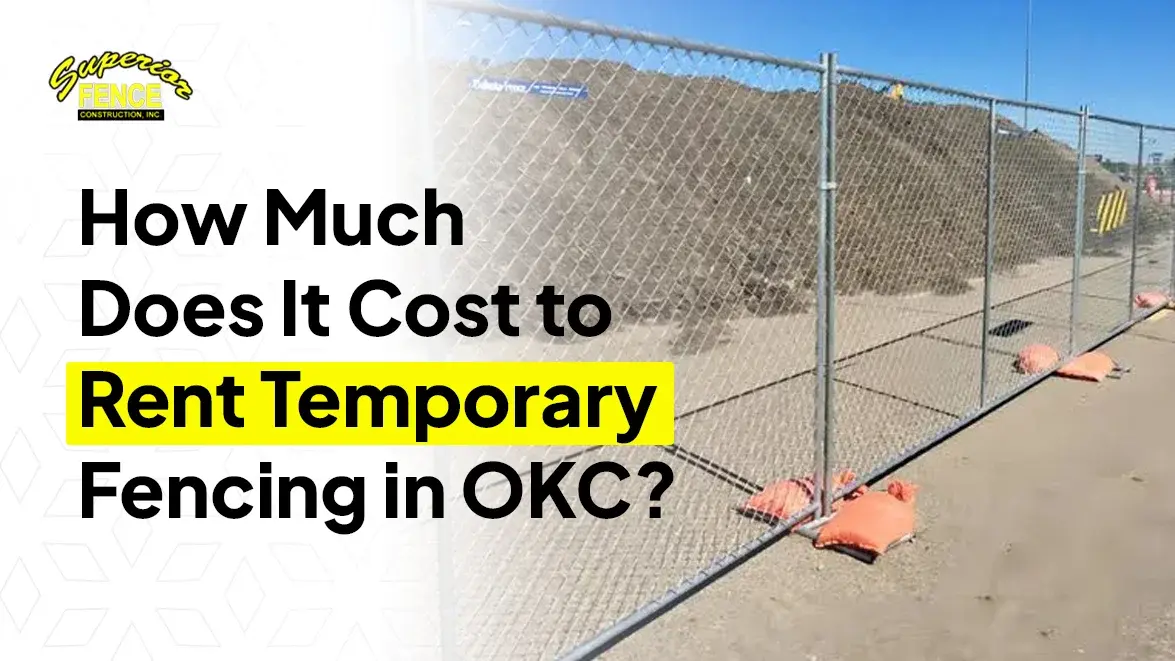
Galvanized fencing is just steel with a zinc coating, and it’s by far the most common pick. Zinc fights rust, which is why this shows up on so many residential and commercial jobs. It is affordable, durable, and requires relatively little maintenance after installation. While it has a basic appearance, it can provide reliable service for many years when properly maintained.
Vinyl-Coated Chain Link Fencing
Vinyl-coated fencing takes that same galvanized steel and wraps it in colored vinyl, usually black or green. That extra layer fights rust and general wear even better than bare galvanized alone. It also blends into landscaping much better so it doesn’t scream “chain link” the way bare metal does. While it costs a bit more, plenty of homeowners think it’s worth the bump in price.
Aluminum Chain Link Fencing
Aluminum sidesteps rust entirely, since it doesn’t corrode like steel does. It’s lighter too, which makes installation easier all around. The trade-off is that aluminum is generally less resistant to impact than steel. It is a good fit for lighter duty jobs where rust resistance matters more than raw toughness.
Stainless Steel Chain Link Fencing
Stainless steel is typically the most expensive option, but it provides excellent corrosion resistance and durability. It fights corrosion, takes heavy use, and holds up in coastal or industrial conditions that’d chew up cheaper materials. Most homeowners skip it, though, due to the cost. Commercial and industrial jobs in tough environments are really where it earns its keep.
How Do Chain Link Fences Differ by Mesh Size and Wire Gauge?
Mesh size is just the width of each diamond opening in the fence. Smaller mesh openings provide a tighter barrier and can improve security by reducing the size of the openings. Bigger mesh opens things up, letting in light and air but givingup privacy. Wire gauge measures thickness, and, here’s the counterintuitive part, lower numbers mean thicker, stronger wire.
A 9-gauge fence holds up way better against impact than an 11-gauge one would. Combining smaller mesh openings with a lower gauge number can provide a stronger and more secure fence. Most homes stick with a fairly standard combo, while commercial and security jobs lean toward tighter, thicker specs.
What Types of Chain Link Fences Are Used for Different Applications?
Different properties need different specs, so matching the fence to the actual job is what matters.
Residential Chain Link Fencing
Most homes go standard galvanized or vinyl-coated in a mid-range gauge. It’s a combination that’s affordable, keeps pets and kids contained, and doesn’t ask much of you afterward. Homeowners often add on privacy slats later on, once the open mesh starts feeling too exposed. This combo covers most backyard and property line situations without much fuss.
Commercial Chain Link Fencing
Commercial spots usually need something tougher than a typical home job. Thicker gauge and a taller fence are needed since these see more wear and higher security demands day to day. Vinyl-coated shows up a lot here, too, for the durability and cleaner look. Businesses often pair this with locking gates for controlled access.
Industrial Chain Link Fencing
Industrial sites need fencing that can take serious wear, heavy equipment nearby, and constant weather exposure. Thick gauge steel, and sometimes stainless, handles all that better than lighter options ever could. Industrial fences may also be taller and can include additional security features where permitted and appropriate. Durability wins over cost or looks every time in this category.
Security Chain Link Fencing
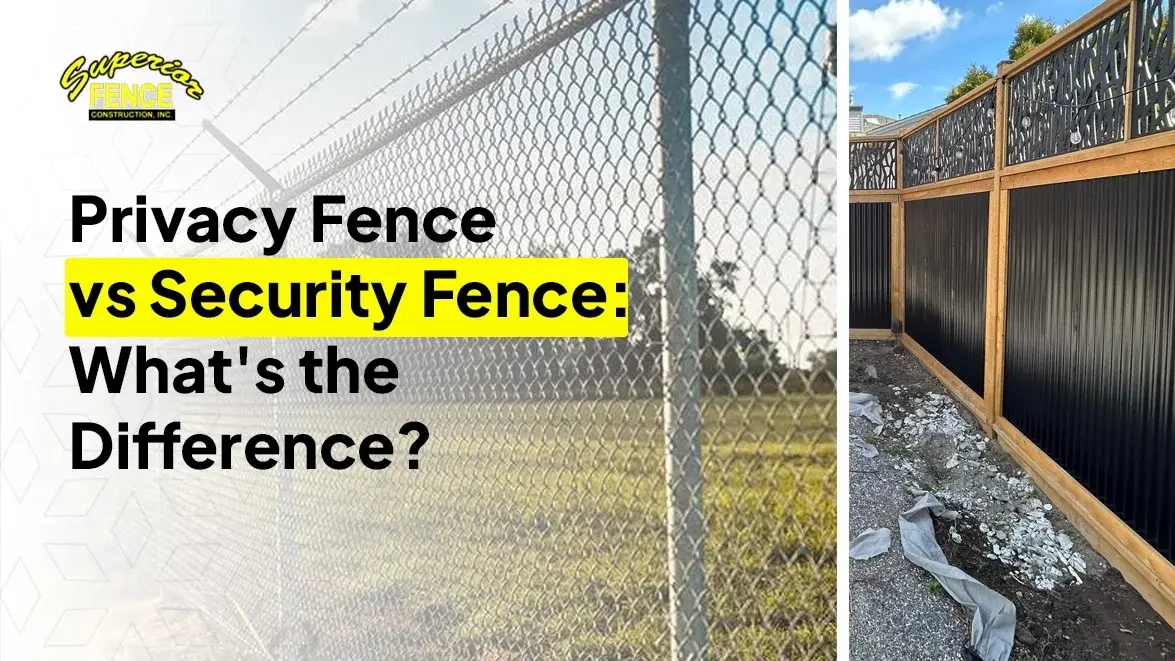
Security fencing typically uses smaller mesh openings, thicker wire, and greater height to make unauthorized access more difficult. It is often paired with additional features, such as anti-climb mesh and razor wire toppers. Government buildings, data centers, and high-value properties are the most common sites for this level of fencing. It costs more, sure, but so does the protection you’re getting.
What Chain Link Fence Options Are Available for Privacy?
A few upgrades take a wide-open fence and make it a lot more private.
Privacy Slats
Slats slide right into the diamond openings, blocking sightlines almost entirely. These come in a variety of colors and styles, easy to match to whatever’s already on your property. Installation is relatively straightforward, although larger projects may be better handled by a professional. It’s one of the most popular, affordable privacy upgrades around.
Privacy Fabric
Privacy fabric stretches over the whole fence surface, giving a smoother, more uniform look than individual slats do. This generally decreases more visibility than slats, and some versions cut down wind and noise too. It comes in a range of colors and opacity levels, depending on how much coverage you want. Although it costs a touch more than slats, it looks cleaner once it’s up.
Windscreens
Windscreens are heavier fabric panels, built mainly to cut wind with privacy as a nice side effect. Windscreens are commonly used around sports facilities, construction areas, and properties exposed to strong winds. Built tougher than standard privacy fabric, it’s made to handle steady exposure and stronger gusts. Not every yard needs this level of wind protection, but it’s worth a look in exposed spots.
How Do You Choose the Right Type of Chain Link Fence?
A few factors, weighed together, make this decision way easier than it seems.
Consider Durability and Maintenance
Consider how much maintenance you are willing to perform over the life of the fence. Galvanized needs almost nothing once it’s installed; other materials might want occasional attention. Coastal or harsh climates push you toward vinyl-coated or stainless for the extra corrosion resistance.
Consider Security and Privacy
Figure out if you just need a boundary marker or something that actually blocks visibility and access. Tighter mesh, thicker gauge, and taller height all boost security. Adding slats or fabric later is always an option if privacy becomes more of a priority down the road.
Consider Your Budget and Property Needs
Galvanized keeps costs down for most homes; commercial or industrial jobs often justify spending more. Match the fence to how the property’s actually used day to day. Splurging on stainless for a plain backyard rarely makes financial sense.
Conclusion
Chain link fencing covers a wide range of needs, from a basic backyard boundary to serious industrial security. Galvanized and vinyl-coated options handle most residential and commercial jobs well. Aluminum and stainless steel step in when rust resistance or heavy-duty strength matters more. Comparing chain link fence types against your property’s actual needs makes the final decision much easier. If you’re ready to move forward, reach out to Superior Fence Construction for a quote tailored to your property.
FAQs
What is the most durable type of chain link fence?
Stainless steel, hands down, especially in harsh or coastal conditions. It comes at a higher price, though.
What is the difference between galvanized and vinyl-coated chain link fencing?
Galvanized is just zinc-coated steel. Vinyl-coated takes that same steel and adds a colored vinyl layer for extra weather resistance and a cleaner look.
What type of chain link fence is best for residential properties?
Standard galvanized or vinyl-coated in a mid-range gauge covers most residential needs, and is affordable and reliable as well.