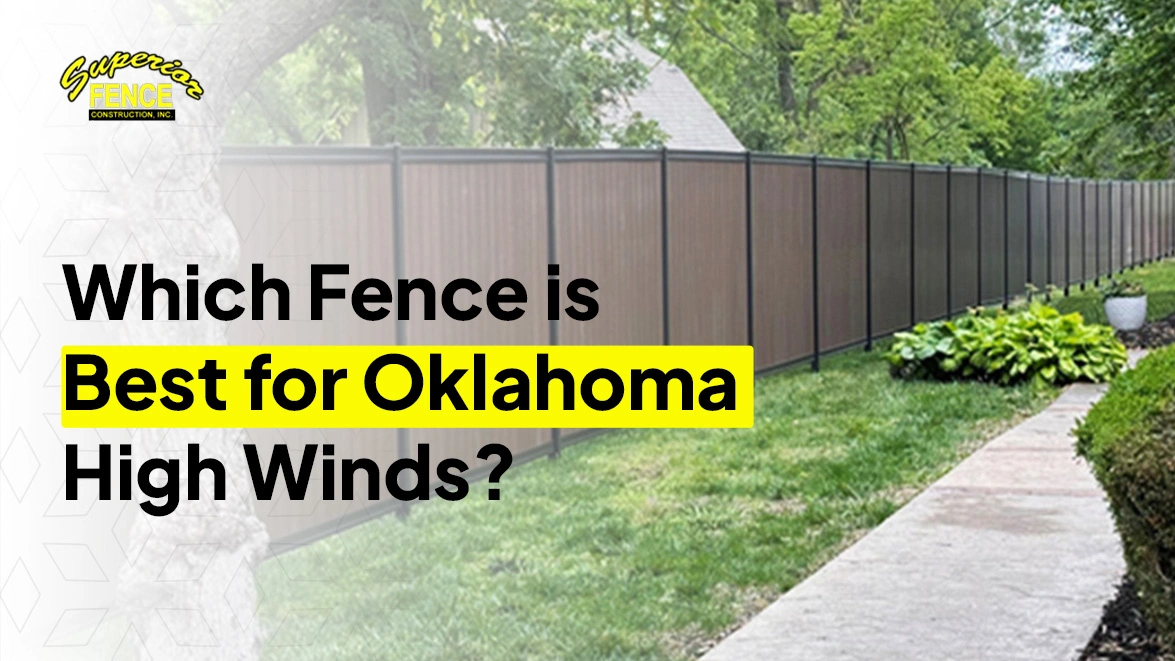
Oklahoma weather puts constant pressure on residential fencing throughout the year. Unstable fences could be destroyed in an instant by strong winds, heavy storms, and sudden weather changes.
Some homeowners choose fencing just for its aesthetic appeal, only to face expensive repairs after severe weather. The best fence for Oklahoma high winds should offer long-lasting durability, airflow, and natural stability.
Table of Contents
ToggleCore Takeaways:
- The best fences for Oklahoma high winds include chain-link and ornamental iron, as wind tends to pass through them rather than push against them.
- Most of the time, the installation of a deep concrete post matters more than the fence type.
- Oklahoma soil movement is a real factor; posts need to go deeper than standard guidelines suggest.
- Solid wood privacy fences can work, but only with the right design, spacing, and installation.
- Compared to solid panels, Shadowbox and horizontal slat designs reduce wind pressure significantly.
Common Reasons Certain Fences Fail in Oklahoma High Winds
Many fences fail during Oklahoma storms because they are not designed for strong wind exposure.
Wind Pressure Builds Against Solid Fence Panels
A good fence panel acts as a sail in the strong wind. Instead of allowing the air to pass through, it actually catches the force of the wind and pushes all that pressure straight onto the posts and footings. In a 70 mph gust, that load adds up fast. This is exactly why solid privacy fences are the most frequent casualty of Oklahoma storms.
Poor Installation Weakens Fence Stability
Weak installation can ruin even the best fence material. Posts set too shallow, inadequate concrete, or hardware that isn’t rated for wind load will give way before the material itself does. In Oklahoma, a decent number of fence issues come down to settling for less during the installation, rather than the fence type.
Oklahoma Soil Movement Affects Fence Posts
The soil in central and eastern parts of Oklahoma is clay-heavy, which means it expands and shrinks rapidly with moisture fluctuations. The movement shifts fence posts over the years, loosening them at their base. A post that was solid at installation can become unstable after a few seasons of soil movement, well before any major storm hits.
Low-Quality Materials Fail Faster During Storms
Reasonably priced materials that hold up properly in mild weather tend to come apart quickly with repeated wind stress. Light-weight aluminum posts, low-grade wood, or thin vinyl may last a year or two, but are unlikely to survive several storm seasons in Oklahoma. Materials are not only a matter of looks, but a long-term investment.
Best Fence Types for Oklahoma High Winds
Some fence designs perform much better in Oklahoma because they reduce wind pressure and improve structural stability.
Chain Link Fencing for Strong Wind Resistance
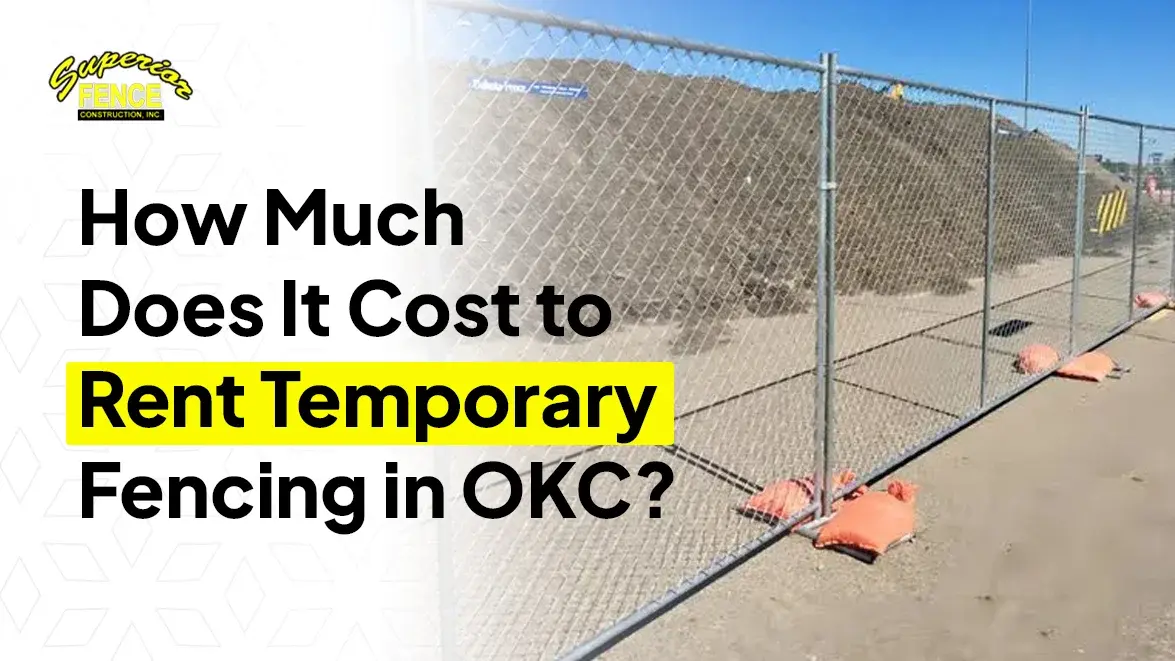
Chain link is considered the most wind-resistant fencing type. Because of the open-mesh design, wind blows directly through with little resistance, which is exactly what you want in a high-wind environment. It’s not going to win the best appearance award, but it stays dependable during even the worst weather. When aesthetics are less important than function, like large lots, country properties, and backyards, chain link is tough to beat.
Ornamental Iron and Steel Fencing
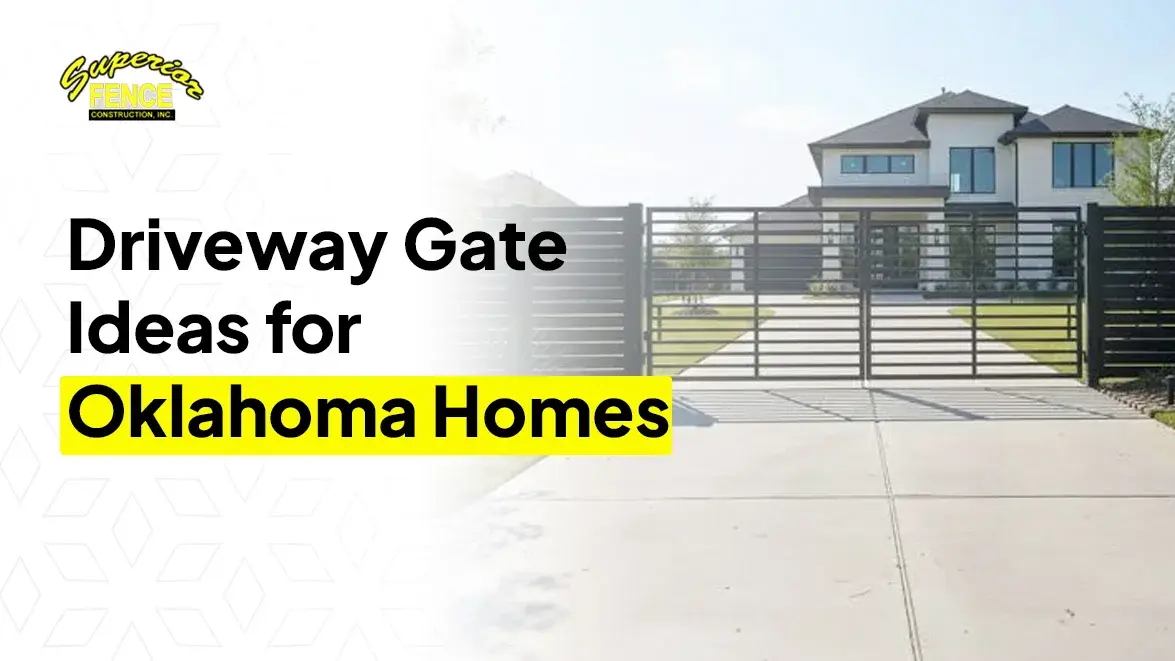
An ornamental iron and steel fence has an open design by nature. The space between the vertical pickets allows wind to pass through while the heavy-gauge metal adds strength. They are also much more resistant to damage from flying debris. The biggest con is cost; however, its durability in Oklahoma conditions makes it a reasonable investment when used in the front yard and any areas of significant visibility.
Properly Installed Wood Privacy Fences
A wood privacy fence can withstand wind in Oklahoma if installed properly, but it must follow the principles of structural design and construction. A shadowbox construction where boards alternate on each side of the rail creates gaps that significantly reduce wind pressure as compared to a solid board fence.
Posts must go deeper than the standard norm and concrete footings must be substantial. These simple features of a properly constructed wood fence allow it to withstand wind much better than most people would expect.
Vinyl Fences With Reinforced Posts
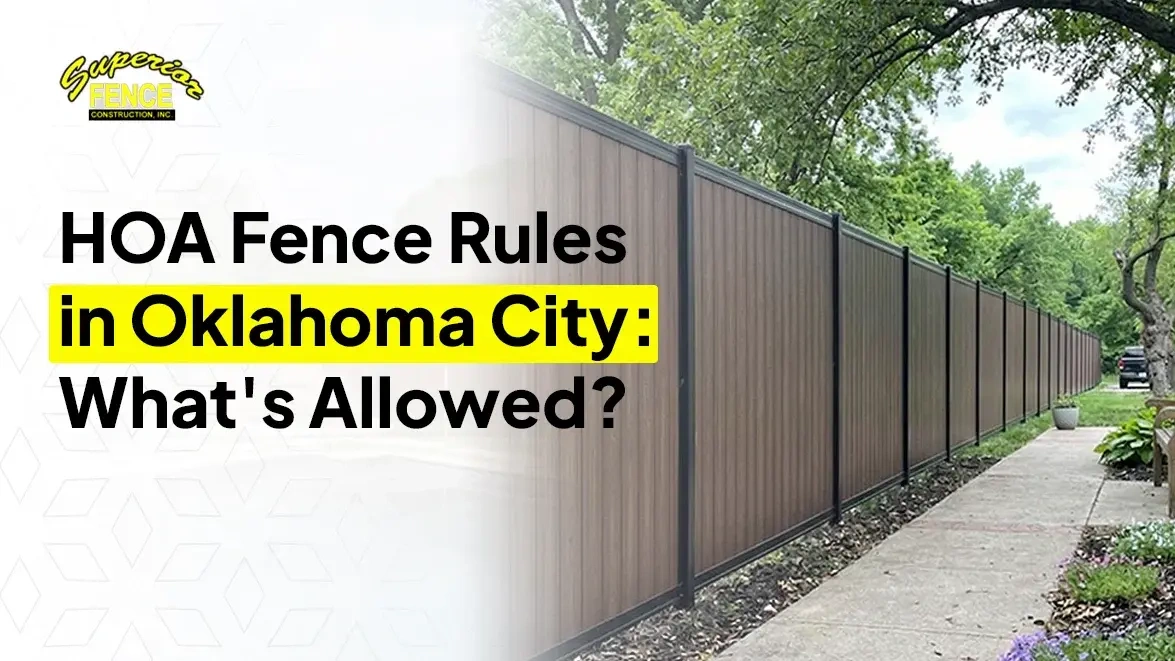
Standard vinyl fencing with hollow posts is not well-adapted to the strong winds of Oklahoma. Vinyl fences with steel-reinforced posts, along with footings that are installed deeper into the soil, perform much better. The key is the post reinforcement; without it, vinyl will flex and eventually crack under repeated wind stress. In the case of a high-wind area, make sure you ask about post construction before purchasing any vinyl fence.
Horizontal Slat and Shadowbox Fence Designs
These two designs reduce the wind load effect from solid panel fences. Horizontal slat fences have tiny gaps between boards, which allow air to flow through. Shadowbox is a style where openings are spaced alternately on opposing sides of the rail, forming a fence that seems solid from directly in front, but allows airflow when viewed more from an angle. Both offer greater privacy than chain-link and reduced wind pressure compared to a completely solid fence.
Important Features That Improve Wind Resistance
The fencing material is important; however, the structure and design characteristics used in the setup actually tell you how well it endures. The top 5 things that have the most impact under high-wind conditions are:
- Standard depth recommendations don’t account for Oklahoma wind. The bottom of posts should sink at least one third of their total length into the soil, preferably with wider concrete footings at their bases to withstand lateral movement during wind gusts.
- Dropping from 8-foot to 6-foot spacing in exposed areas reduces the load each fence section carries during high winds. Corner and end posts should always get extra reinforcement regardless of the overall spacing used.
- Any space between the boards will decrease the amount of pressure a fence must endure. If the wind blows, any design with some spaces between the fence panels will work better than a solid fence.
- Failure almost always begins at the fence posts. When wind pressure increases, only the heaviest gauge steel or aluminum posts support the entire structure. The panels bend or break before the thin posts.
- Galvanized or stainless steel screws and brackets are corrosion-resistant and stay tight, even with regular wind vibration. Cheap hardware loosens over time and tends to fail exactly when conditions get worse.
Which Fencing Material Oklahoma Homeowners Should Choose
Oklahoma homeowners should compare durability, wind resistance, and long-term performance carefully before selecting fencing materials for residential or commercial properties.
Chain Link Fencing for Strong Wind Resistance
This is best for homeowners who want durable fencing and don’t care about looks as much as cost. With minimal maintenance and high durability, this is the overall top performer in wind tolerance.
Wood Fencing for Privacy and Natural Appearance
This is a good fit if privacy and curb appeal matter to you. It demands more maintenance than other materials, but allows for the greatest creative freedom.
Ornamental Iron Fencing for Long-Term Durability
This is the best choice for the front yard or in highly visible locations, where both beauty and durability matter. Though more expensive in initial cost, it very rarely requires replacement.
Vinyl Fencing for Low Maintenance Benefits
Suitable for homeowners looking for a tidy, aesthetically pleasing finish, vinyl doesn’t require the maintenance of further painting or sealing. Just make sure the posts are steel-reinforced; that detail is non-negotiable in Oklahoma.
Composite Fencing for Modern Residential Properties
This is a practical middle ground between wood and vinyl. It handles Oklahoma’s climate well and suits modern home styles without the maintenance demands of natural wood.
Conclusion
Oklahoma wind is a serious consideration that should dictate every fencing decision, from materials to post depth to hardware. The best fence for Oklahoma high winds is the one built with the right design, proper installation, and materials rated for real storm conditions.
The installation quality underneath the fence is what determines whether it’s still standing after the next big storm. Superior Fence helps homeowners make these decisions with durable, wind-resistant fencing solutions built for Oklahoma conditions.
FAQs
Which fence material lasts longest in Oklahoma weather?
Overall, ornamental iron and steel work best. Chain link is a close second for pure durability. They are also better in terms of long-term wind, moisture, and temperature changes than wood or vinyl.
Do vinyl fences break during high winds?
Rigid hollow post PVC fencing can fall or break down under extreme wind. Vinyl fences with steel-reinforced posts and deep concrete footings hold up much better. The post-construction is the deciding factor.
What fence style allows better airflow?
Chain link, shadowbox wood designs, horizontal slat fences, and even ornamental iron allow airflow to some extent. Any design with gaps or spacing between components will outperform a solid panel fence in high-wind conditions.
How can homeowners make fences more wind-resistant?
The four most effective changes are deeper post installation, closer post spacing, heavier gauge posts, and switching from solid panels to a design with some airflow. Improving hardware and fasteners also aids with longevity.