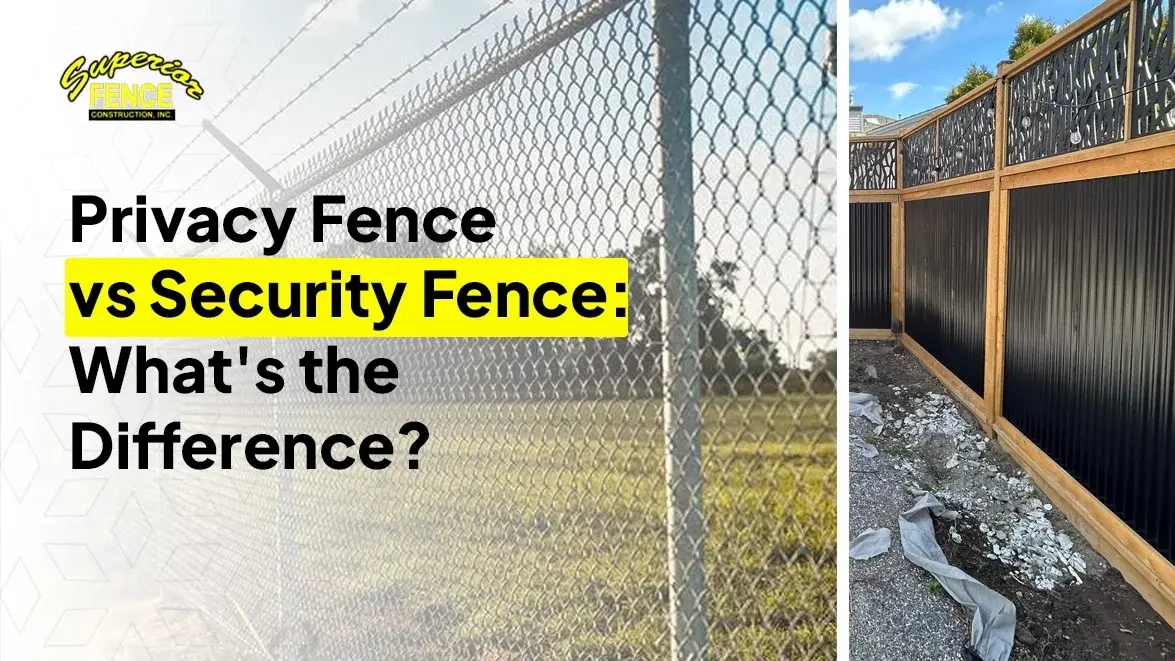
A privacy fence blocks unwanted views, while a security fence helps control access to your property. The difference seems simple until you compare solid timber panels, metal railings, and chain-link designs. A tall fence might screen your garden but won’t keep intruders out. Meanwhile, an open metal fence can discourage entry without hiding what’s beyond it. Choosing the right option means weighing visibility, strength, gate design, and your property’s layout. Understanding the difference between privacy fence and security fence designs helps you find the right balance for your property.
|
Table of Contents ToggleKey Takeaways
|
What Is a Privacy Fence?
A privacy fence creates a visual barrier around your property. Solid panels or closely spaced boards prevent unwanted views into your outdoor space.
For example, you might want a secluded garden for family gatherings. A tall timber fence can screen your patio from neighboring windows. It also creates a defined boundary between adjoining properties. However, blocking visibility doesn’t automatically make your property secure. The fence’s strength, height, and gate design still matter.
Common Privacy Fence Materials
Different materials provide varying levels of screening and maintenance requirements.
- Wood and cedar offer a natural appearance with flexible designs.
- Solid vinyl panels provide privacy without regular painting or staining.
- Composite fencing combines wood-like finishes with relatively low maintenance requirements.
Board-on-board timber designs use overlapping boards to reduce visible gaps. Choose materials that suit your budget, property style, and upkeep preferences.
What Is a Security Fence?
A security fence creates a physical barrier against unwanted access. Its design focuses on restricting entry and protecting people or property. You might install one around a warehouse, business premises, or residential boundary. Strong posts, suitable materials, and secure gates improve its effectiveness.
Unlike privacy fencing, security designs don’t always block outside views. Many use open metal panels that preserve visibility across the property. However, no fence can guarantee protection against every intrusion. Effective security depends on the complete installation and surrounding environment.
Common Security Fence Materials
Chain-link fencing provides a durable barrier with clear visibility. Smaller mesh openings and suitable wire specifications can improve resistance to climbing or damage.
Ornamental iron and steel fencing offer strength with decorative appeal. Their vertical pickets can make climbing harder when appropriately designed. For commercial properties, controlled gates can provide an additional layer of protection. Access control systems help manage who enters the premises.
Privacy and Security Fencing: Key Differences
Both fence types establish boundaries and influence property protection. However, their design priorities differ in several important ways.
| Feature | Privacy fence | Security fence |
| Main purpose | Blocks unwanted views | Restricts unwanted access |
| Common materials | Wood, vinyl, composite | Chain-link, steel, ornamental iron |
| Visibility | Usually limited | Often maintains clear sightlines |
| Design priority | Screening and appearance | Strength and access control |
| Typical applications | Gardens, patios, homes | Businesses, warehouses, property boundaries |
These differences describe common designs rather than fixed categories. Some fences offer both screening and physical protection.
1. Purpose and Level of Protection
Privacy fencing primarily protects your outdoor space from unwanted attention. It allows you to relax without feeling constantly overlooked. Security fencing focuses more directly on controlling entry. Strong construction and secure access points make unauthorized access more difficult. For example, a solid garden fence might provide excellent screening. However, an inadequately secured gate could undermine its protective benefits.
2. Privacy and Visibility
Solid panels create separation between your property and neighboring spaces. This makes privacy fencing useful around patios and swimming pools. Open security fencing offers a different advantage. You can see approaching visitors and observe activity beyond your boundary. That visibility may help you notice suspicious behavior. However, it also leaves more of your property exposed to outside views. Your preferred balance depends on the property’s surroundings and intended use.
3. Materials and Structural Strength
Material choice affects how well a fence handles physical pressure. However, the quality of its installation matters just as much. A poorly secured metal fence can develop serious structural problems. Similarly, strong timber panels need appropriate posts and secure connections. Security-focused designs may use heavier mesh or reinforced gate frames. Privacy fences generally prioritize continuous screening and an attractive finish. Choose specifications based on actual requirements rather than appearance alone.
4. Fence Height and Design
Height influences both privacy and resistance to unauthorized entry. Taller solid panels can screen upper windows and neighboring properties. However, a tall fence isn’t automatically difficult to climb. Horizontal rails and nearby objects may provide convenient footholds. Security designs consider climbing opportunities alongside structural strength. Gate placement also affects how effectively you control access. Before choosing a height, check applicable local restrictions.
5. Installation and Maintenance
Both fencing types require suitable foundations and accurate installation. Yet their maintenance requirements can differ considerably. Wooden privacy fences may need staining, sealing, and occasional board replacement. Vinyl panels generally require cleaning and inspections for damage. Metal security fencing needs to be regularly checked for corrosion and loose fittings. Gates also require attention because hinges and locks experience regular use. Consistent maintenance helps both designs remain functional over time.
Is a Privacy Fence More Expensive Than a Security Fence?
Neither fencing category is always more expensive than the other. Costs depend on your materials, fence dimensions, and installation requirements. A standard timber privacy fence may cost less than reinforced commercial fencing. However, premium composite panels could cost more than basic chain-link fencing.
What Affects Privacy Fence Costs?
Solid panels require enough material to block outside views. Timber quality, decorative features, and fence height influence the final price. Site preparation and protective finishes can add further expenses.
What Affects Security Fence Costs?
Heavier materials and reinforced posts can increase installation costs. Secure gates and electronic access systems may require additional investment. Compare detailed quotes rather than relying on general price assumptions.
Can a Privacy Fence Also Provide Security?
Yes, a properly designed privacy fence can offer physical protection. However, its effectiveness depends on more than solid panels. A sturdy timber fence with secure gates can discourage casual trespassing. Strong posts and reliable hardware help maintain its structural integrity. However, completely blocking outside views creates another consideration. You may lose visibility of activity around your property’s boundary.
Combining Privacy and Security Features
Some fence designs offer screening alongside stronger access control. For example, chain-link fencing can accommodate privacy slats. These inserts reduce visibility without requiring a completely different fence. However, slats don’t automatically improve the fence’s structural security. They also increase the surface exposed to wind. Choose a design that balances screening, strength, and maintenance requirements.
Which Fence Is Right for Your Property?
Your priorities should determine the type of fence you choose. Consider how you use the space before comparing materials.
Choose a Privacy Fence When…
You want a secluded garden or a screened patio. Solid panels also help separate closely spaced neighboring properties.
Consider a Security Fence When…
You need to control access to valuable equipment or commercial premises. Strong construction and reliable gates should guide your decision.
Consider Both When…
Your property needs visual screening and controlled access. Combining suitable materials and gate systems can address both requirements. For local properties, consider wind exposure and suitable post foundations. Check local fencing regulations before finalizing your design.
Conclusion
The main distinction comes down to what you need. Privacy fencing screens your garden and outdoor living areas from unwanted views. Security fencing focuses on controlling entry through sturdy construction and reliable gates. Neither option guarantees complete protection on its own. A suitable design may combine solid screening with secure access points and properly installed posts.
Before choosing materials, consider your property’s layout, daily use, and maintenance requirements. Check local regulations and compare quotes covering the same specifications. That preparation helps you avoid unnecessary expenses while addressing your actual needs.
Ready to improve your property’s privacy or protection? Contact Superior Fence Construction for a free, personalized estimate and professional fencing solutions suited to your property.
FAQs
Does a Privacy Fence Prevent Trespassing?
A sturdy privacy fence can discourage casual trespassing. However, it cannot guarantee protection against determined intruders.
Is a Taller Fence Always More Secure?
Not necessarily. Structural strength, climbability, and secure gates also affect protection. Height alone doesn’t determine a fence’s security.