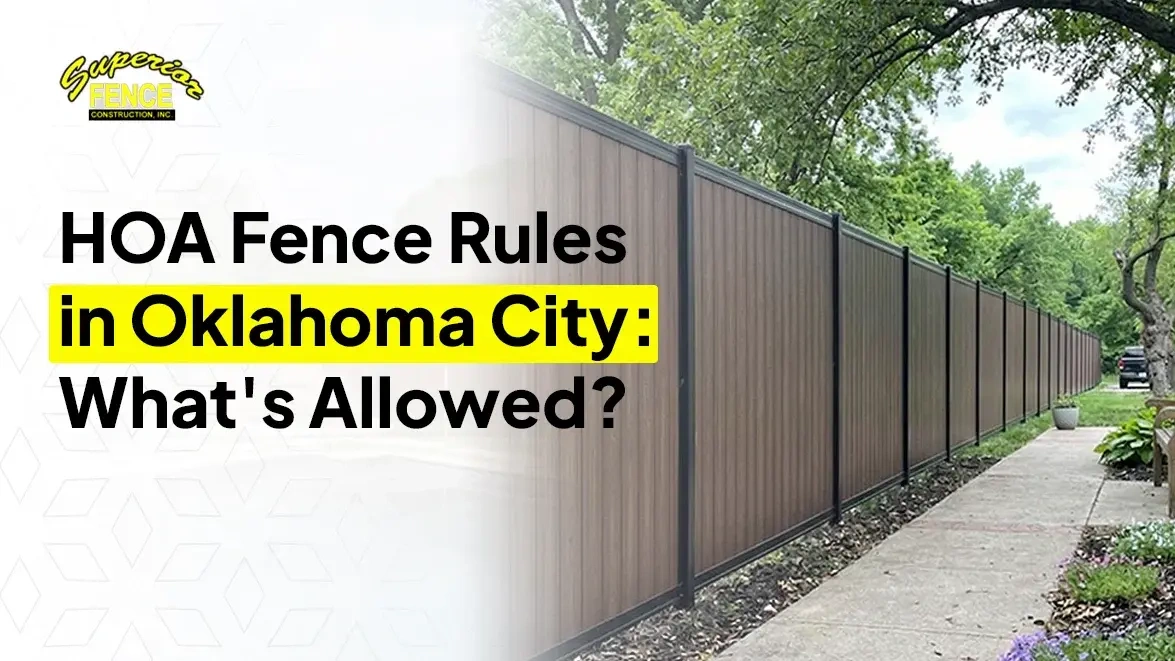
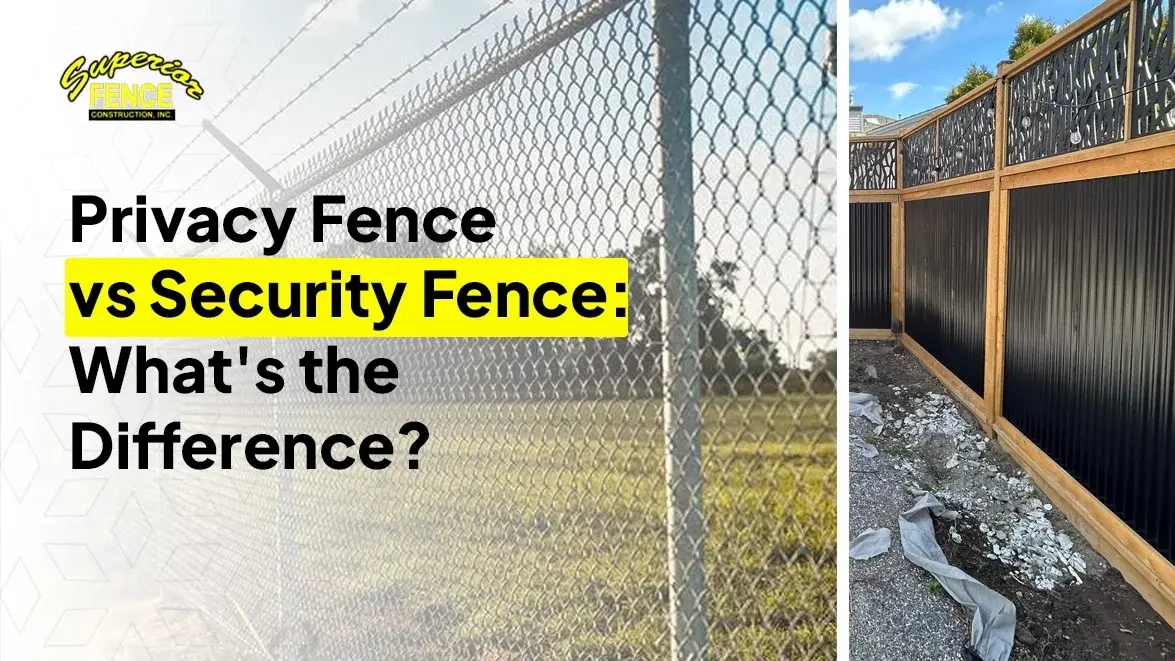
Noisy streets and loud neighbors steal backyard peace every day. Homeowners want to know what is the best fence for noise reduction to fully reclaim quiet spaces. Solid wood fences top the list by blocking sound waves with thick, dense boards. Masonry walls follow closely, with their heavy mass stopping low rumbles effectively.
Vinyl fences resist weather while muffling traffic hum effectively. Height and density make the biggest difference in real yards. Science shows how fences effectively break noise paths. Top picks deliver calm evenings without constant distractions nearby.
Table of Contents
ToggleHow Do Fences Reduce Noise?
Fences break noise paths by disrupting sound vibrations traveling through air freely. Solid builds with mass reflect or trap waves before they disturb backyards. These principles guide smarter fence choices every season confidently.
- Heavy materials stop sound energy dead upon direct impact every time.
- Fence height catches low traveling waves that slip under shorter designs.
- Absorption pulls noise into porous cores like cedar or foam fillers.
- Smooth surfaces reflect high-pitched sounds back toward sources.
- Density follows the laws of physics, where thicker panels outperform thin slats.
- Curved or angled tops scatter waves in random directions away from the yard.
- Ground plants pair with fences to muffle leftover vibrations.
- Sealed joints prevent air leaks that let neighbor chatter pass through.
Top Fences for Noise Reduction
Different fences excel at noise reduction through unique strengths and builds. Pick styles that match your yard and budget perfectly.
1. Solid Wood Fences
Solid wood fences block voices and car hum with tight board panels. Cedar resists rot while absorbing mid-range sounds well. Eight foot heights catch most noise traveling over ground level. No gaps allow traffic noise to slip through. Staining yearly keeps surfaces protected against weather wear.
2. Vinyl Fences
Vinyl fences reduces higher-frequency noise; low-frequency traffic may still pass. UV blockers prevent fading for decades without the need for paint. Tongue-groove locks eliminate air spaces completely. Light color choices reflect sun’s heat better. Panels snap together fast for weekend projects.
3. Brick or Stone Fences
Brick fences can significantly reduce train rumbles if built thick and properly sealed. Mortar seals joints tight so sound stays out permanently. A natural stacked look boosts home values significantly. Caps prevent water wicking down into cores. Thick walls handle wind loads effectively.
4. Masonry Walls
Masonry walls stop airplane buzz via concrete mass superior to wood. Stucco coats seal cracks and resist rain damage long-term. Deep footings block ground vibrations from trains nearby. Textured faces hide small flaws naturally. Heavy builds require professional installation skills.
5. Acoustic Fences
Acoustic fences trap noise inside perforated panels with fiberglass fill. Lab tests show peak blocking at key frequencies consistently. Custom curves break up straight line sound paths effectively. Metal shells weather rain without rust issues. Modular designs fit odd yard shapes easily.
Factors to Consider When Choosing a Noise-Reducing Fence
Smart choices balance noise reduction with yard realities every time. Key features separate average builds from elite performers always.
1. Fence Height
Six to eight foot fences catch sound waves mid-air effectively. Local codes usually limit residential fences to around eight feet. Taller panels bend noise up and over your space. Sloped yards need custom heights for level blocking power.
2. Fence Material
Dense concrete crushes bass rumbles better than thin vinyl sheets. Wood soaks voices while metal bounces sharp horns away. Climate guides pick between rot-prone pine or weather-tough composites.
3. Fence Density and Gaps
No gaps deliver maximum sound blockage across full fence runs. Spaced pickets let neighbor chatter sail right through freely. Overlap boards or use solid sheets for airtight seals. Thick panels beat skinny slats every single time.
4. Maintenance
Vinyl skips all painting unlike wood that drinks stain yearly. Brick weathers clean but grout lines need occasional tuck-pointing. Acoustic cores seal tightly against moisture over long periods. Pick low-care options for busy homeowners always.
Conclusion
Quiet backyards start with the right fence choice, and knowing what is the best fence for noise reduction helps homeowners consistently choose masonry or solid wood builds. Mass stops low rumbles, while absorption handles voices naturally. Six- to eight-foot panels create true sound shadows behind them. Vinyl resists the weather well, and acoustic designs further block noise effectively. Maintenance stays simple with modern materials. Enjoy evenings free from street noise distractions. Your serene yard awaits installation-ready solutions. Trust fencing experts like Superior Fence for professional noise-reducing fence installation, repair, and customization that delivers privacy, durability, and lasting peace for your home.
FAQs
How tall should a fence be to block noise?
Six to eight foot fences block most yard noise effectively. Taller heights improve results but codes cap residential max usually. Custom builds match sloped terrain perfectly.
Are there soundproofing fences that are easy to install?
Yes, modular vinyl and acoustic fences install easily without heavy equipment needed. Snap-lock designs go up in hours using basic tools only. Skip concrete footings for faster setups that block noise effectively right away.
Can a fence reduce noise from neighbors?
Fences reduce neighbor sounds up to 20-30 dB under optimal conditions. Solid boards stop chatter while brick walls crush bass notes completely. Gaps let noise slip through so seal joints tightly always.