Temporary fencing is a flexible solution for securing areas without the need for a permanent structure. It is commonly used at construction sites, outdoor events, and emergency situations to establish boundaries and enhance safety.
The product comes in different types, such as chain-link panels, mesh barriers, and barricades to suit different security and accessibility requirements. Temporary fencing offers ease of installation, portability, and affordability, making it a common choice for short-term use. Prices vary by material, rental length, and installation needs. Working with a professional fence installation company ensures that your temporary fencing is set up correctly and meets all safety and regulatory standards. This variety allows users to select the right fencing option while ensuring compliance with safety and regulatory guidelines.
Table of Contents
ToggleWhat is Temporary Fencing?
Temporary fencing refers to easily movable barriers that create secured, enclosed areas for security, crowd control or privacy. Unlike traditional fencing, it doesn’t need to be dug deep into the earth or concrete foundations, so you can set it up quickly and efficiently for short-term usage. These fences are commonly used at construction sites, concerts, sporting events, and disaster relief areas.
Depending on the application, the materials are different in temporary fencing. Common choices are steel, aluminum, plastic, and mesh fabric. Some designs include features like anti-climb panels, heavy bases, or interlocking sections for extra stability and security. Temporary fencing is an essential safety feature for many industries and helps keep unwanted visitors out, allowing for organized flow of movement in specific areas.
6 Types of Temporary Fencing
Depending on the application, there are different types of temporary fencing. Factors like durability, visibility, security level, and ease of installation impact the fencing choice.
1. Chain-Link Temporary Fencing
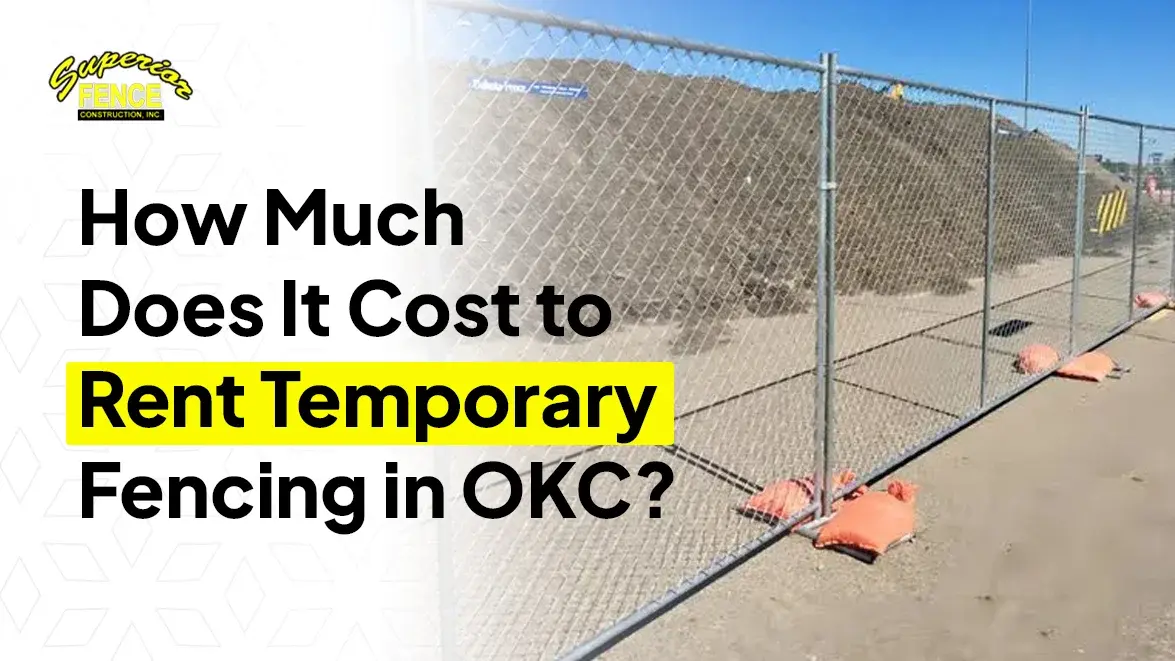
This is one of the most popular options, known for its durability and security. Instead of a permanent installation, steel fence stands or sandbags hold a chain-link panel. It is perfect for building sites, restricted areas, and industrial locations.
2. Panel Fencing
Panels which consist of rigid wooden or metal bars are linked in a rectangular formation to create a yard. This is common in event security, construction sites, and access control areas. The interlocking design provides stable, removable and relocatable panels.
3. Plastic Temporary Fencing
Lightweight, easy to set up, and often used for crowd control at festivals, marathons, and public gatherings. The material comes in bright colors like orange or yellow so that it is easily visible and useful for traffic management.
4. Mesh Barrier Fencing
Easily portable, this style of fencing consists of a thin metal frame covered with mesh, allowing for visibility while still creating a secure perimeter. It is useful for crowd control at concerts, fairs, and sporting events. The mesh construction stops the climbing but allows for cross-ventilation and clear sight lines.
5. Traffic and Pedestrian Barriers
Metal barricades (used for pedestrian movement featuring construction with interlocking sections) are useful in parades, protests, and other public events with controlled movement and limited access requirements.
6. Water-Filled Barriers
These are plastic temporary barriers filled with water to make them stable. They are useful for traffic control and work zones as they are easy to relocate or deflate for transport.
6 Benefits of Temporary Fencing
Here are some of the benefits of temporary fencing that make it an ideal choice:
- Quick and Easy Installation: Temporary fencing is easy to install and does not have heavy labor requirements. There is no need for deep digging or extensive groundwork.
- Enhanced Security and Safety: These barriers protect against vandalism and trespassing. Particularly in construction sites, dangerous areas, and event areas, they help regulate the movement to prevent safety issues.
- Cost-Effective Solution: Another reason behind its popularity is that it does not need permanent construction, making it affordable for security. For short-term development projects, renting is commonly more cost-effective than investing your hard-earned money into permanent structures.
- Versatile Applications: Temporary fencing has applications at construction sites, at public events (e.g., concerts), in sporting venues, and in emergency response areas.
- Portability and Reusability: Most temporary fences are easy to relocate and can be reused, making them an eco-friendly and cost-effective option.
- Customization Options: Temporary fencing can be customized for various purposes, such as adding privacy screens, anti-climb design, and branded banners for marketing purposes. This increases security while functioning as a marketing or crowd management strategy.
How Much Does Temporary Fencing Cost?
The price of temporary fencing varies according to several factors, such as material, rental period, and installation requirements. Rental prices range from $1 to $5 per linear foot per month, while purchasing costs range from $15 to $50 per linear foot.
Conclusion
Temporary fencing is a safe and low-cost method of securing your space. It is useful at construction sites, events, and restricted areas. From chain-link panels to lightweight mesh barriers, it provides a range of designs to choose from. Temporary fencing is quick and easy to install, move, and transport, making it a convenient, budget-friendly solution to short-term needs. Costs depend on various factors ranging from material to the rental period, along with other security features. Need help choosing the right fencing? Superior Fence can assess your space and install the best solution for your needs.