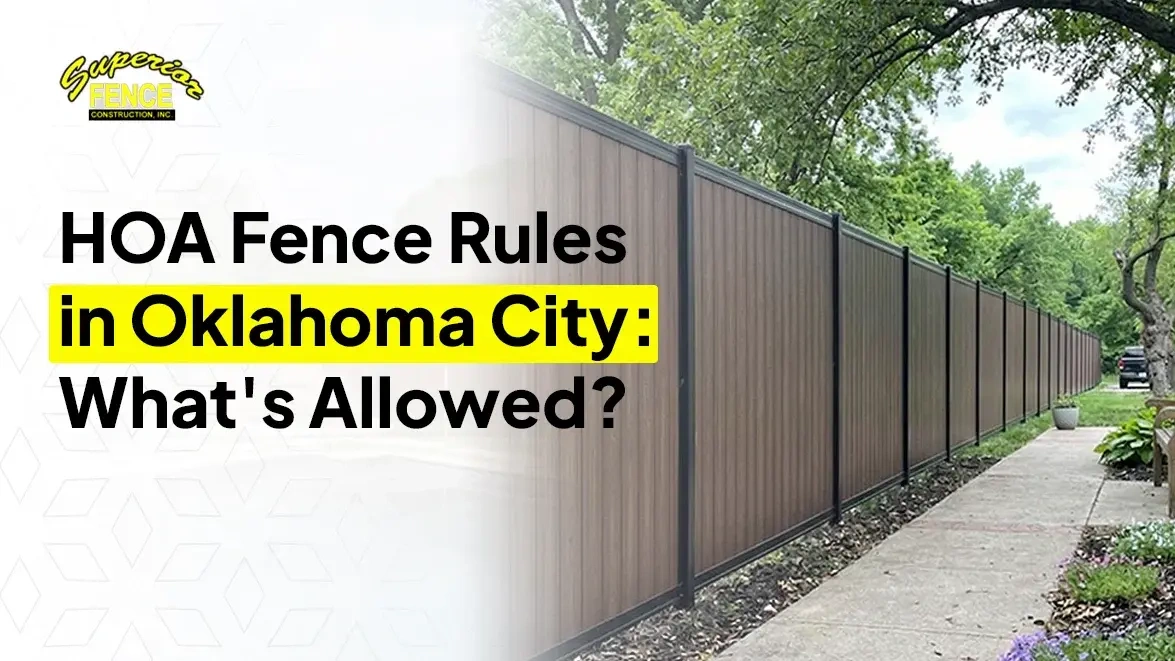
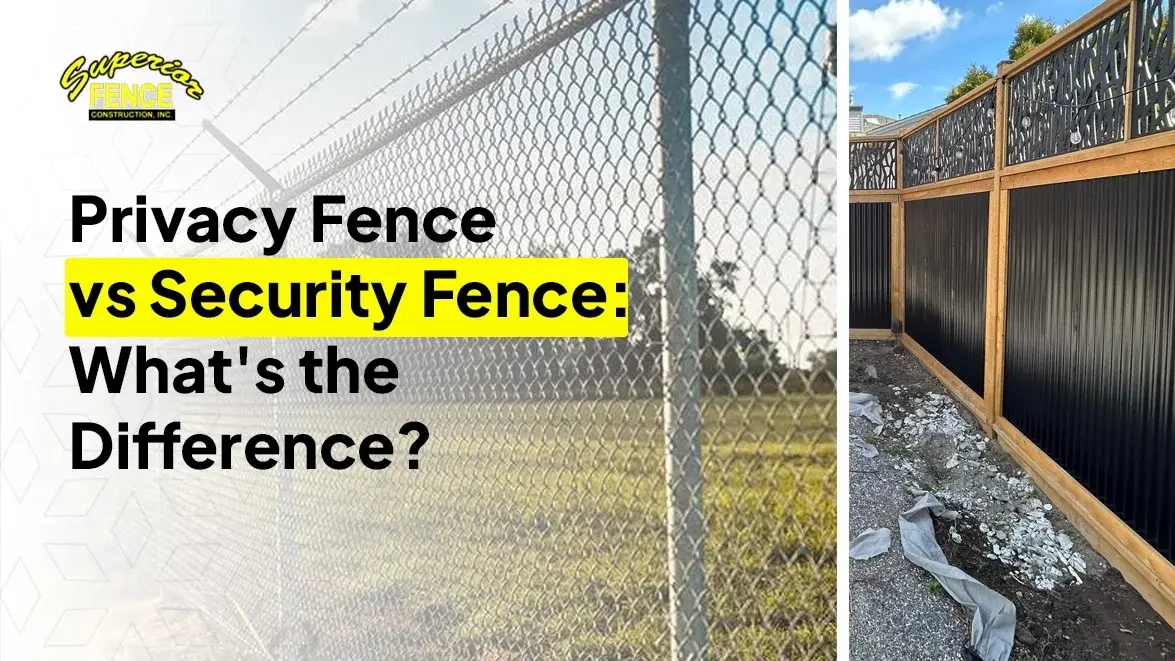
Composite fencing combines the natural beauty of wood with recycled plastic durability, making it an excellent choice for modern yards. It is a synthetic fence material with several benefits, including durability, low maintenance, and eco-friendliness. It not only enhances the privacy and security of your property but is also aesthetically pleasing.
Composite fence installation includes marking the fence line, digging holes for the posts, and setting the posts in concrete for stability. Then comes the proper placement of posts, followed by attaching the composite panels considering the right alignment and spacing.
Table of Contents
ToggleWhat Is Composite Fencing?
Composite fencing combines different materials to create a durable and stronger product. When blended with sawdust or wood pulp, recycled plastics, like milk cartons and grocery bags, create the composite base material. Mixing these materials with resins and pressing them into molds shapes the final product.
What Is Composite Fencing Material?
Composite fences come in varying qualities and compositions. Most of them consist of wood fibers, like sawdust or wood chips, and recycled plastic polymers like polyethylene (HDPE), polyvinyl chloride (PVC), or polypropylene (PP). Premium composites often have extra polishing or capping to prevent fading, staining, and scratching.
Types Of Composite Fence
The different types of composite fences used commonly include:
1. Wood-Plastic Composite:
The fence’s appearance and performance depend on its wood-to-plastic ratio. More fiber from wood (30%–60%) will give it a natural, rigid appearance but lower moisture resistance. On the other hand, plastics offer moisture protection, durability, and color retention.
2. Fiber-reinforced Composite
It is an advanced type of composite fencing that includes fiberglass or other reinforcing materials. As a result, the overall stiffness and strength improve, making it suitable for high-traffic environments with tough weather conditions.
The Pros and Cons of Composite Fencing
Pros of Composite Fencing
- Long-Lasting: Composite fencing can last more than 30 years with little maintenance. It outperforms traditional wood fences in impact, weathering, and wear.
- Less Maintenance: They never rot or degrade like other wood materials and hardly require maintenance. Sometimes, they just clean water to wash off the dirt and offer excellent resistance to insects and tough weather conditions.
- Aesthetic Appeal: Composite fencing has a natural wood-like appearance but doesn’t require high maintenance. Available in different colors, it blends well with versatile home designs.
- Eco-Friendly: They contain wood fibers and HDPE plastics recycled to reduce waste and support sustainability.
- Increases Home Value: A composite fence improves curb appeal and functionality, making it an attractive selling feature for potential buyers.
- Privacy and Security: These fences create a safe and private area and prevent the view of intruders.
- Resistance to Water: Low water absorption makes composite fences less prone to decay, rust, and warping, even in humid environments.
Cons of Composite Fencing
- Cost: Composite fencing is more expensive up front than wood, vinyl, and chain-link fences. However, the long-term benefits of infrequent maintenance and longer lifespan often balance out the initial cost.
- Fading Over Time: Dark colors may fade over time due to prolonged exposure to the sun.
Composite Fencing Styles and Design Options
Composite fences have different colors, ranging from wood tones to sleek colors like gray, black, or white. Modern composite fencing gives a homeowner versatile designs, including:
- Privacy Fences: Solid panels for complete privacy.
- Semi-Private Fences: Strips with openings to provide ventilation.
- Picket Fences: Classic styles featuring fancy tops.
- Post-and-Rail Fences: Suitable for farm or rustic environments.
How Long Does A Composite Fence Last? It’s Maintenance and Care
Composite fences are low-maintenance and last well over two decades when cared for. Here’s what you need to do:
- Clean them yearly with mild soap, water, and a soft brush.
- Never use harsh chemicals or pressure wash, which could damage the protective surface.
Trim vegetation around the fence to prevent moisture buildup.
Is Composite Fencing Cheaper Than Wood?
Composite fencing has a higher upfront cost than wood and costs about $10-50 per linear foot. But it is worth the money, as it is tougher, doesn’t degrade, and requires minimum maintenance.
Conclusion
Composite fencing is the perfect combination of natural wood appearance and synthetic plastic durability. Although the initial cost is higher, the savings on maintenance and the longer life span make it a good investment in the long run. On the other hand, they are costly and fade over time. When installing high-quality composite fencing, trust Superior Fence for exceptional service quality and craftsmanship. Improve your outdoor space and experience with our reliable fence installation services.