Fences are an important aspect of any home. They provide privacy and protection and can even make your home look better. There are two popular options, vinyl and wood fence, and several factors can help you decide which is better for your needs. Property owners should look at durability, upkeep, price, and looks. Vinyl is low maintenance and durable, with a lifespan of 20-30 years, whereas wood is gorgeous but should be maintained continually and lasts between 10-20 years. Budget and personality also have much to do with the choice.
Table of Contents
ToggleWhat is a Vinyl Fence?
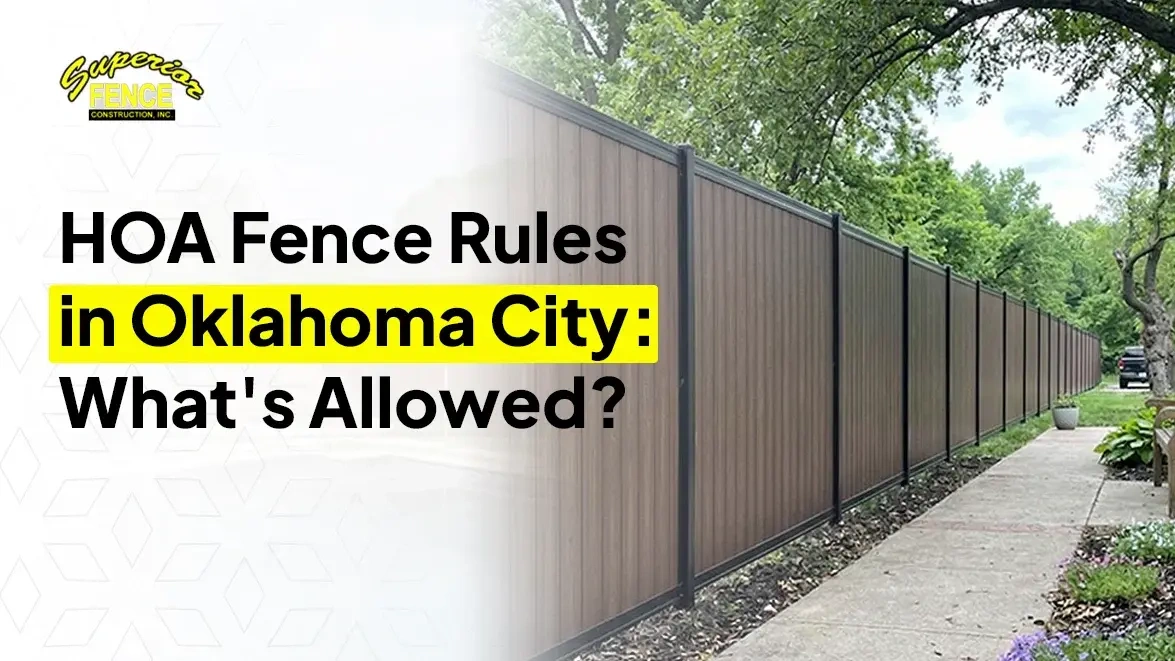
A vinyl fence is constructed of polyvinyl chloride (PVC), a tough and easy-to-maintain plastic material. Introduced in the 1980s, vinyl fencing has been well received because it is not susceptible to elements such as moisture, insects, and rot. Vinyl fences are available in picket, privacy, and ranch rail styles, providing flexibility for different properties.
What is a Wood Fence?
Wood fences are traditional barriers made of natural wood. They have been utilized for centuries to demarcate property lines, provide privacy, and improve appearance. Popular wood materials used for fencing are cedar, pine, and redwood. Wood fences can be made in many designs, such as picket, split rail, and solid panel so that homeowners can have a conventional or rural appearance.
Comparison of Vinyl and Wood Fence
To make an informed decision, let’s compare vinyl and wood fences across several key factors:
| Feature | Vinyl Fence | Wood Fence |
| Durability | Resistant to rot, warping, and insects; lasts 20-30+ years. | Prone to rot, warping, and insects; last 10-20 years. |
| Maintenance | Low maintenance; occasional cleaning. | It needs regular painting or staining and treatments. |
| Cost | Higher upfront cost; cost-effective in the long run. | Lower initial cost; higher maintenance expenses over time. |
| Aesthetic Appeal | Modern look; various styles and colors. | Classic, natural look; customizable with stains/paints. |
| Installation | Easier installation with pre-assembled panels. | More labor-intensive; may require custom fitting. |
| Privacy & Security | Excellent with solid panels. | Good, but gaps may develop over time. |
How to Decide Which is Better?
Deciding between a vinyl and wood fence relies on many factors:
- Personal Taste: Think about what aesthetic you prefer. Wood would be the way to go if you want a natural, classic appearance. Vinyl would be a better option for a modern, sleek look.
- Life of the Fence: Vinyl is a good choice for a long-lived fence with little maintenance. Wood would be the way if you don’t mind maintenance and like the personality wood gains through the years.
- Regional Weather: Vinyl’s insect and moisture resistance is advantageous for high humidity, regular rainfall, or termites. In dry weather, wood will also work well and be maintained well.
- Privacy Needs: Both materials will create privacy, but think about how each fits your security needs and how they’ll evolve.
- Budget Considerations: Assess both the initial investment and long-term costs. While wood may be cheaper upfront, vinyl’s durability and low maintenance can make it more economical.
Conclusion
Choosing between vinyl fencing, wood fencing and deciding which is better depends on your needs and preferences. Vinyl fences are highly durable and require minimal maintenance, making them a long-term investment. They come in various styles and colors, providing a modern look resistant to moisture and insects.
On the other hand, wood fences offer a classic, timeless appeal and can be customized easily. While they have a lower upfront cost, they need regular upkeep to prevent rot and insect damage. Ultimately, consider your budget, desired aesthetic, and lifestyle when deciding. You can also contact expert fence installation company like Superior Fence to learn more about the two fence types.