Fences define yards and boost property value, all while displaying each homeowners’ style. Some choose vertical pickets that offer classic charm. Others go with horizontal rails that bring modern appeal. If you’re trying to pick your style, you may wonder, vertical vs horizontal fence: which is better?
| Quick Answer
Vertical fences use traditional pickets for privacy and a timeless style. Horizontal fences feature long rail boards creating sleek contemporary strength. Vertical often suits classic neighborhoods and budget needs, while horizontal excels in modern curb appeal and wind resistance. Both last twenty to forty years when properly installed. Your best choice depends on style goals, budget, maintenance tolerance, and property demands. |
Table of Contents
ToggleWhat Is a Vertical Fence?
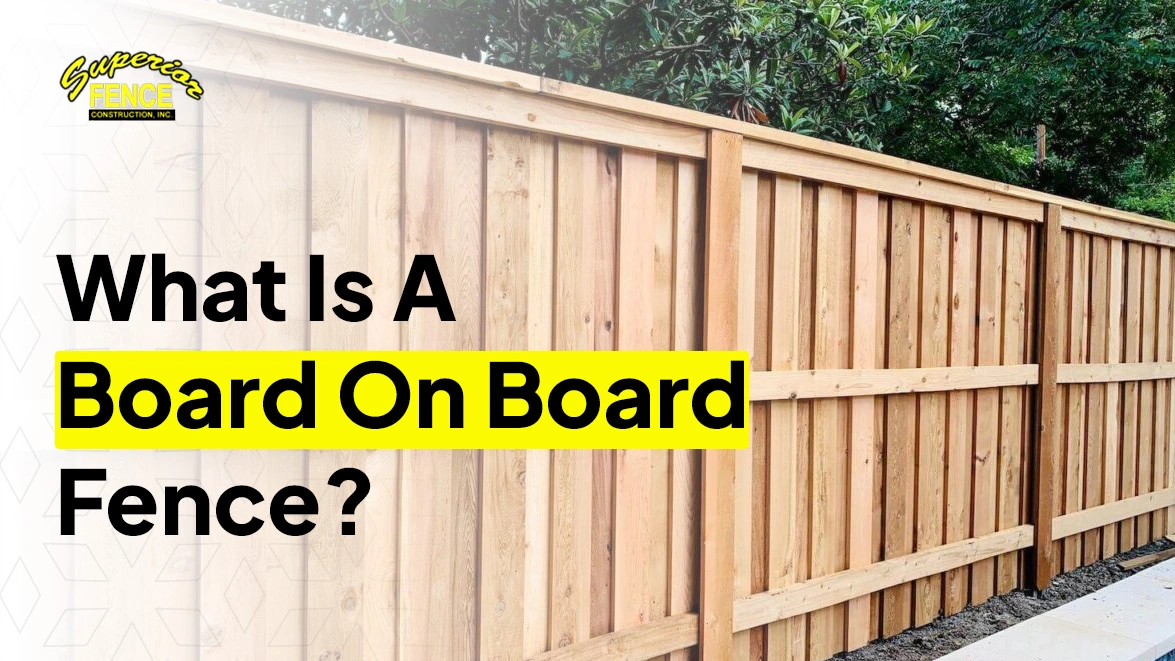
Vertical fences feature evenly spaced pickets that run from the bottom rail to the top cap. Standard panels are typically 6 to 8 feet tall and are securely attached to horizontal rails and sturdy posts. Popular styles like dog-ear, shadowbox, and classic picket fences are commonly seen in residential neighborhoods. The pickets are usually about 5/8 inch thick, providing a good balance of strength and privacy. These fences offer a traditional look that complements colonial, ranch, and craftsman-style homes. Installation typically follows a standard layout, with posts set in concrete and spaced about 6 feet apart for stability.
Benefits of Vertical Fencing
Vertical fencing delivers classic advantages that homeowners value across generations. These strengths make vertical fences a timeless yard choice.
- Classic style matches traditional neighborhood aesthetics.
- Narrow picket spacing blocks views and provides excellent privacy.
- Installation is simple with standard panel sizes available everywhere.
- Repairs usually just require replacing single pickets, not full sections.
- Wind resistance handles Oklahoma gusts through a flexible picket design.
- Material choices span wood, vinyl composite, and aluminum.
- Cost stays budget-friendly compared to horizontal rail systems.
Drawbacks of Vertical Fencing
Vertical fences carry limitations modern homeowners should consider carefully, too. Several challenges accompany traditional vertical designs.
- Dated appearance feels less contemporary than sleek horizontal styles.
- Pickets sag over time, requiring periodic tightening or replacement.
- Climbing plants grip narrow slats easily, spreading across fences.
- Wood versions demand painting and staining every three to five years.
- Modern curb appeal lags behind the popularity of horizontal fences.
- Small gaps between pickets could allow pets to escape.
What Is a Horizontal Fence?
Horizontal fences feature long continuous rail boards spanning between heavy posts. Reaching six to eight-foot heights, they commonly use board-on-board or shadowbox patterns. The eight-foot rail span demands stronger four-by-four posts set deeper than with vertical fencing. Modern, ranch, contemporary, and minimalist homes tend toward this sleek design.
Benefits of Horizontal Fencing
Horizontal fences offer premium advantages, transforming the yard’s appearance dramatically.
These strengths increasingly position horizontal designs as upscale favorites.
- Modern, sleek appearance boosts contemporary curb appeal.
- Superior strength naturally comes from continuous rail construction.
- Fewer seams mean less warping and maintenance over decades.
- Excellent wind resistance handles Oklahoma storms impressively well.
- A premium appearance consistently lends itself to higher property values.
- Climbing vines struggle to grip smooth, wide rail surfaces.
Drawbacks of Horizontal Fencing
Horizontal fences present challenges during planning and installation.
Several limitations accompany this modern horizontal design.
- Higher material costs reach twenty to thirty percent more typically.
- Installation demands precise leveling across long rail spans.
- Warping occurs on longer boards without proper moisture protection.
- Limited privacy options compared to tight vertical picket spacing.
- Heavier weight requires deeper concrete footings for stability.
- Complex repairs require replacing entire rail sections instead of single boards.
Key Differences Between Vertical and Horizontal Fences
Vertical and horizontal fences serve different styles, strengths, and budget needs.
| Feature | Vertical Fence | Horizontal Fence |
| Appearance | Classic, traditional picket style | Modern, sleek rail design |
| Strength | Good; pickets flex in the wind | Excellent; continuous rails |
| Installation | Simple; standard panels | Complex, precise leveling |
| Cost | Budget-friendly | 20-30% higher |
| Maintenance | Wood needs paint/stain | Less warping; vinyl is easy |
| Wind Resistance | Good flexibility | Superior rigidity |
| Curb Appeal | Traditional neighborhoods | Modern luxury homes |
| Privacy | Excellent tight spacing | Moderate; wider rails |
| Durability | 20-40 years | 25-45 years |
| Material Use | More pieces needed | Fewer longer boards |
Which is Best for You?
Your perfect fence depends on style goals, budget, and property needs.
Consider Vertical Fence If:
Choose vertical fencing for traditional neighborhoods, budget constraints, and maximum privacy needs. DIY projects prove simple with standard panels available everywhere. Classic homes match the picket styling, while repairs stay affordable.
Consider Horizontal Fence If:
Select horizontal fencing for modern curb appeal, superior strength, and wind resistance. Premium investment brings lasting value through fewer seams and an upscale appearance. Contemporary properties beautifully showcase sleek rail design.
Conclusion
Vertical fences provide classic privacy and affordability with their traditional picket design, making them a popular choice for many homeowners. In contrast, horizontal fences offer a more modern look, added strength, and premium curb appeal with clean, continuous lines. Both styles can withstand Oklahoma’s changing weather conditions when installed correctly by professionals. This helps answer the question: vertical vs horizontal fence, which is better?
Fencing contractors like Superior Fence installs both styles and offers free estimates. Our experienced crews handle repairs, replacements, and custom fencing projects with reliable workmanship.
FAQs
Which fence is stronger, vertical or horizontal?
Horizontal fences prove stronger through continuous rail design and fewer joints. Vertical pickets flex well yet lack horizontal rigidity during high winds.
Is horizontal fencing more expensive than vertical fencing?
Yes, horizontal costs twenty to thirty percent more due to materials and complex installation requirements. Vertical remains a budget-friendly alternative.
Which fence lasts longer, vertical or horizontal?
Both last 20 to 45 years when properly installed with quality materials. Horizontal resists warping better long-term, while vertical needs occasional picket tightening.