Every business requires security, privacy, and a professional appearance, and fencing plays an important role in meeting those needs. Among the different types of commercial fencing, each option provides its own functionality for your property. Chain link is widely chosen for its affordability and durability, while vinyl offers a low-maintenance finish that looks clean and modern.
Wood brings warmth and privacy to smaller or community spaces, and ornamental iron combines strength with elegance for premium properties. Composite fencing delivers a balance of style and durability, while concrete is unmatched in strength and longevity. Temporary fencing remains the go-to solution for projects and events where short-term boundaries are needed. Together, these options allow businesses to choose fencing that matches their goals.
Table of Contents
ToggleExploring Different Commercial Fencing Options
Here’s a closer look at the main commercial fencing options and how they serve different business needs.
1. Chain Link Fencing for Secure Boundaries
Chain link fencing is a staple for commercial properties because it is affordable, practical, and highly versatile. It’s commonly seen around warehouses, schools, and industrial facilities.
- Durable and strong: built to withstand impacts and tough conditions.
- Scalable in size: effective for both small businesses and large complexes.
- Customizable with add-ons: privacy slats, barbed wire, or vinyl coatings for extra protection.
This option is ideal for businesses needing reliable coverage without the expense of premium fencing.
2. Vinyl Fencing for Low Maintenance and Clean Appearance
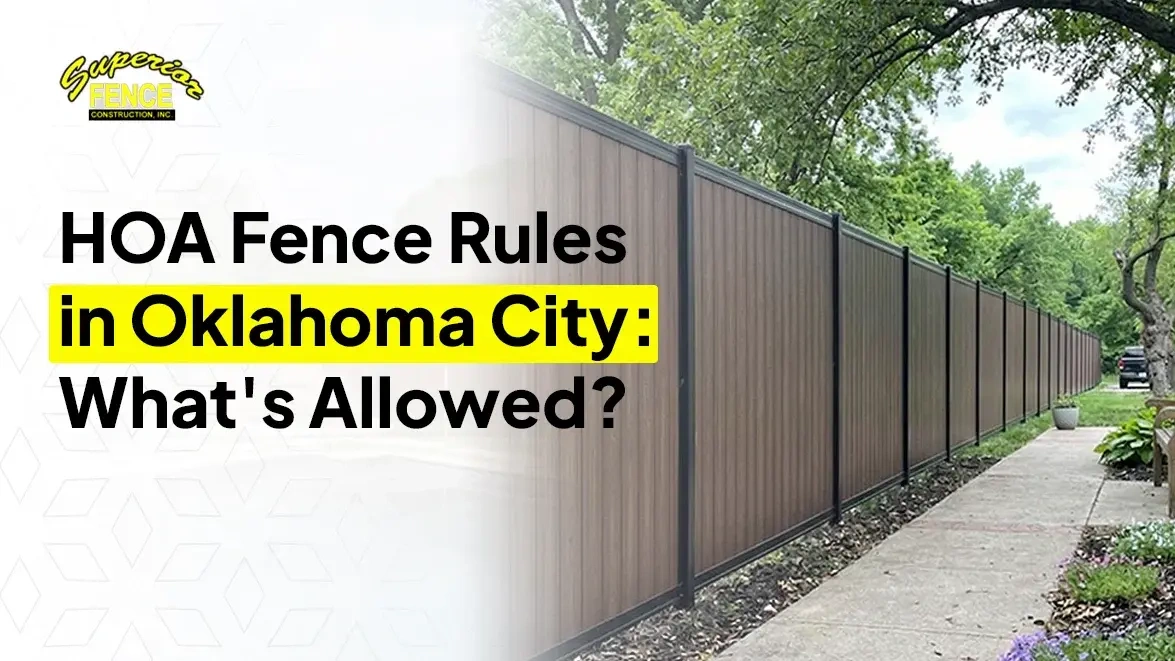
Vinyl fencing is popular with commercial properties that value durability and a professional look. Unlike wood, it doesn’t require frequent staining or sealing, and it resists cracking, fading, or warping.
- Minimal upkeep: withstands weather without constant repairs.
- Professional look: neat lines and smooth finish elevate curb appeal.
- Variety of styles: available in multiple colors and designs to match property needs.
Vinyl makes sense for businesses that want a long-lasting, clean-looking fence with little maintenance.
3. Wood Fencing for Privacy and Custom Style
Though less common for industrial areas, wood fencing is widely used in smaller commercial properties, community spaces, and offices where aesthetics and privacy matter.
- Customizable designs: adaptable to the size and look of any property.
- Enhanced privacy: solid panels block sightlines and reduce distractions.
- Warm, natural look: blends well with landscaped environments.
With proper maintenance, wood can provide both charm and functionality for businesses.
4. Ornamental Iron Fencing for Premium Security
Ornamental iron fencing combines strength with a polished design. It’s often found in corporate campuses, schools, gated communities, and private clubs.
- Elegant appearance: offers a sophisticated, professional impression.
- Long-lasting materials: constructed from steel or aluminum, these fences provide exceptional longevity.
- High security: difficult to climb or damage while maintaining visibility.
This fence delivers both security and curb appeal, making it a favorite for premium facilities.
5. Composite Fencing for Modern Durability
Composite fencing blends wood fibers and recycled plastics to create a modern, eco-friendly choice for commercial use.
- Resilient materials: resistant to rot, pests, and weather damage.
- Stylish finish: resembles wood but with less upkeep.
- Eco-conscious option: manufactured with recycled and sustainable materials.
Composite fences offer businesses a balance between natural appeal and modern convenience.
6. Concrete Fencing for Maximum Protection
Concrete fencing provides unmatched strength and durability, making it suitable for high-security facilities.
- Extremely durable: resists impact, weather, and fire.
- Noise reduction: helps block traffic and environmental sounds.
- Long lifespan: remains reliable for decades with minimal upkeep.
Concrete fencing is best for industrial or commercial sites that demand robust, long-term protection.
7. Temporary Fencing for Short-Term Needs
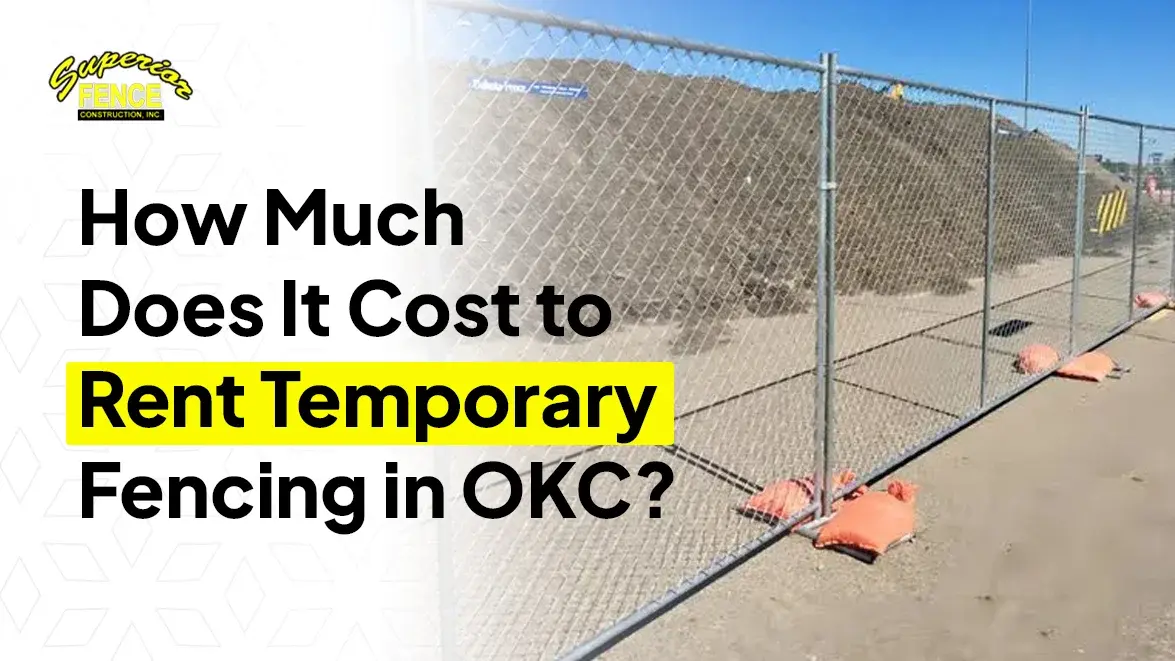
Temporary fencing is essential for projects or events where permanent fencing isn’t necessary. It’s quick to install, flexible, and removable.
- Perfect for construction sites: keeps workers and equipment secure.
- Event-friendly: creates safe boundaries for large gatherings.
- Cost-effective: offers short-term protection without a long-term investment.
It provides the flexibility businesses need when security requirements change.
Conclusion
The many types of commercial fencing available today make it possible for businesses to find the right balance of security, style, and functionality. Chain link provides affordable strength, vinyl offers a clean, low-maintenance appearance, and wood delivers privacy and natural charm. Ornamental iron adds elegance with durability, composite combines sustainability with long-term reliability, and concrete delivers unmatched protection for high-security spaces.
Temporary fencing fills the gap when short-term boundaries are required. Each type of fencing helps keep properties safe while enhancing their overall look. With expert installation and guidance from Superior Fence, businesses can select and build the fencing option that best suits their needs.