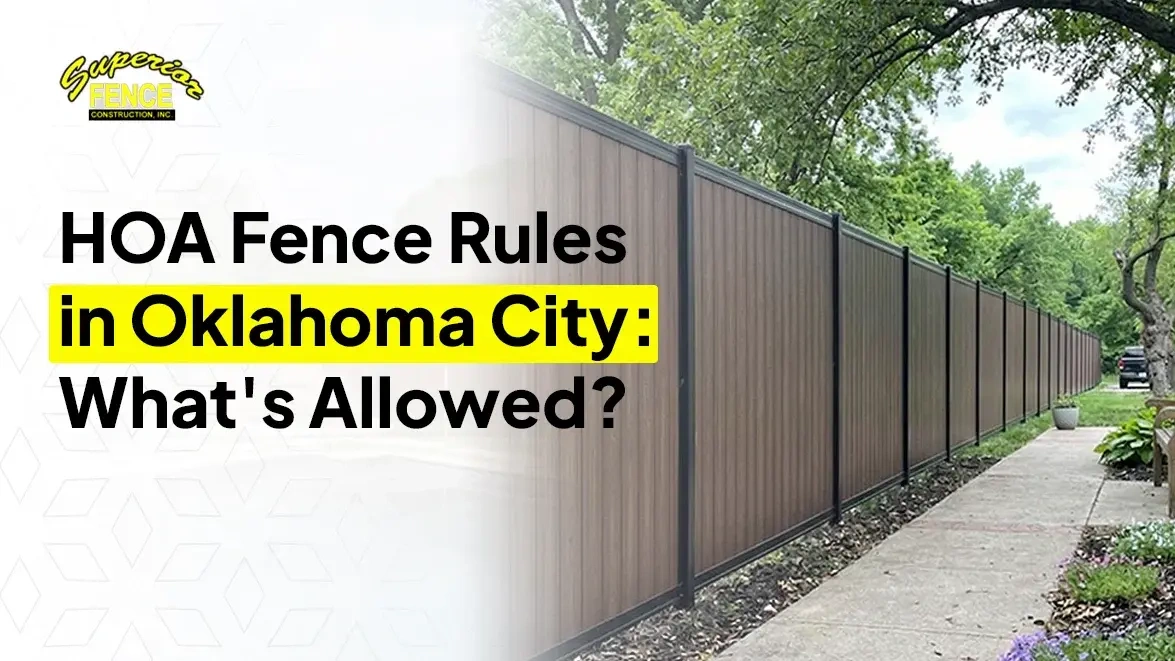
Composite fences have become popular for homeowners who want a strong, low-maintenance option for their properties. They are made from a mix of wood fibers and plastic, which makes them more durable than regular wood fences. On average, a composite fence can last 25 to 30 years, or more, with minimal upkeep. With its sturdy materials and resistance to decay, it can protect and beautify your home for decades.
Table of Contents
ToggleWhat is the Lifespan of a Composite Fence?
A composite fence typically lasts 30 years or more, making it one of the longest-lasting fencing options. Unlike wood, it won’t need regular staining or sealing, which means less maintenance over the years. With quality materials, professional installation, and occasional cleaning, a composite fence can keep its strength and appearance for decades, offering both beauty and long-term value for your property.
Factors That Affect the Lifespan of a Composite Fence
While composite fences are designed to last, several factors can still affect their durability over the years.
1. Quality of the Materials
High-quality composite boards resist fading, cracking, and moisture damage better than cheaper options. Investing in premium materials can save money and keep your fence looking good for longer.
2. Climate and Weather Exposure
Composite fences handle wet and sunny climates well, but extreme weather like intense sun, heavy rain, or snow can cause wear. Areas with intense UV exposure may require UV-protective coatings to reduce fading.
3. Installation Quality
Even the best materials can fail if the fence is installed poorly. A professional installer ensures posts are set firmly and panels are aligned correctly for maximum strength and durability.
4. Maintenance Routine
Though low-maintenance, composite fences still need occasional cleaning and inspection. Regular care removes dirt and mildew, and prevents small problems from developing into big repairs, helping the fence last longer.
5. Physical Damage and Impact
Strong impacts from falling branches, heavy objects, or accidents can crack or break composite boards. Protecting your fence from physical damage helps maintain its structure and appearance over time.
Why Do Composite Fences Last Longer Than Wood?
Composite fences resist many elements, which enhances their lifespan.
1. Resistance to Rot and Insects
Because of the plastic content in composite materials, they don’t rot or attract termites like wood does. This means less damage and fewer repairs over time.
2. Less Warping and Cracking
Wood can expand, contract, or split with temperature changes, but composite boards are much more stable. This helps them maintain their shape and appearance for many years.
3. Low Maintenance Requirements
Unlike wood, composite fencing doesn’t need regular staining or sealing. A simple cleaning with soap and water once or twice a year is usually enough.
Maintenance Tips to Keep Your Composite Fence Looking New
While composite fencing is low maintenance, a little care goes a long way toward keeping it in top condition.
1. Clean the Fence Regularly
Wash the fence at least once a year with mild soap and water to remove dirt, pollen, or mildew. This keeps it looking fresh and prevents staining.
2. Avoid Harsh Chemicals
Strong cleaners can damage the surface. Stick to gentle products and soft brushes to maintain the finish without scratching.
3. Check for Loose Hardware
Inspect the screws, bolts, and posts periodically. Tighten anything loose to keep the fence stable and secure.
Signs It’s Time for Repairs or Replacement
- Cracked or broken boards: These can occur after heavy impacts, falling branches, or accidents. Damaged boards weaken the fence’s structure and appearance, making timely replacement important for strength and safety.
- Faded color beyond cleaning: While some fading is expected over time, deep discoloration that doesn’t improve with washing may mean the surface has worn out and needs refinishing or replacement.
- Loose or leaning posts: Posts that move or tilt can make the entire fence unstable, leading to more damage if not repaired promptly and professionally.
- Warped sections: Warping is rare with composite, but it can occur in extreme heat or under heavy pressure, leading to misalignment and reducing both appearance and strength.
Conclusion
Composite fencing is one of the most durable and low-maintenance options for homeowners today. It offers excellent long-term value with a lifespan of 25 to 30 years and beyond. Its resistance to rot, pests, and warping means you spend less time on repairs and more time enjoying your yard.
Quality materials, good installation, and a little care can protect your property for decades. Looking for a strong, long-lasting fence for your home? Contact Superior Fence today for expert composite fencing that keep your yard looking great for years.