When considering a vinyl fence for your property, one of the first questions that comes to mind is, “How long do vinyl fences last?”. The short answer is that vinyl fences can last between 20 and 30 years, with some even lasting longer, depending on several factors. Unlike traditional wood fences, vinyl is known for its durability and resistance to elements such as moisture, pests, and rot.
However, the lifespan of your vinyl fence can vary depending on a few important factors like the quality of the vinyl, the climate of your area, how well it’s maintained, and the installation process. Understanding these factors will help ensure your vinyl fence lasts many years, providing long-lasting value with minimal upkeep.
Table of Contents
ToggleWhat is the Durability of Vinyl Fences?
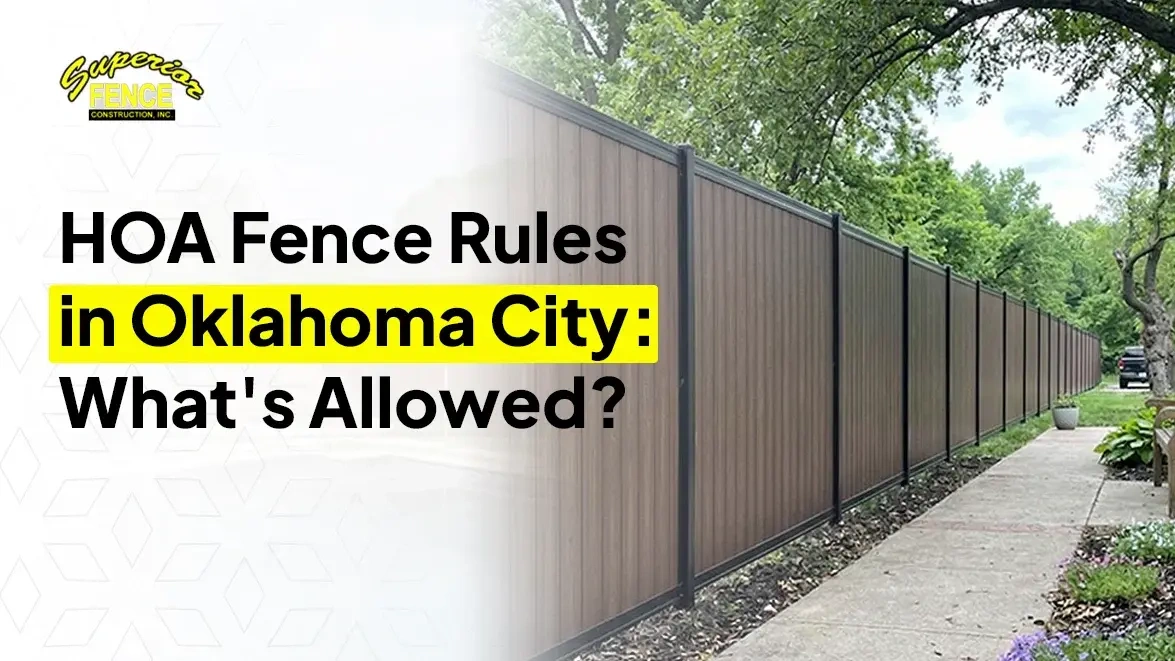
Vinyl fences are known for their durability and ability to withstand the test of time. On average, they last between 20 and 30 years, with some fences reaching 40 years if maintained properly. Unlike wood fences, vinyl does not rot, warp, or splinter, making it a great alternative for homeowners seeking long-term value.
Factors That Affect Vinyl Fence Lifespan
Here are some of the key factors affecting the longevity of a vinyl fence:
Climate and Weather Conditions
One of the biggest factors in determining the lifespan of a vinyl fence is the climate. Harsh weather conditions, such as extreme heat, freezing temperatures, or heavy rain, can cause vinyl to wear down faster. For example, areas with intense sun exposure can cause the vinyl to become brittle over time, while cold weather can make the material more prone to cracking.
Quality of Vinyl Used
Not all vinyl fences are created equal. The quality of vinyl used in the construction of the fence can have a significant impact on its longevity. Higher-quality vinyl that withstands UV rays and extreme weather conditions will last much longer than lower-quality options.
Maintenance and Care
Even though vinyl fences are low-maintenance compared to wood fences, they still require attention to ensure they last as long as possible. Regular cleaning can help remove dirt and prevent the buildup of mold or mildew, which can weaken the material over time. Additionally, checking for any signs of wear or damage and addressing them early can reduce the likelihood of more significant damage or costly repairs later on.
Installation Quality
Proper installation is key to extending the life of your vinyl fence. A poorly installed fence may shift or lean over time, leading to premature wear and tear. It’s always best to hire a professional installer to ensure your fence is set up correctly and securely, reducing the risk of future issues.
Benefits of Vinyl Fences
Vinyl fences are growing in popularity due to their many benefits, aside from their long lifespan. Here are some of the main advantages of choosing a vinyl fence for your home:
- Low Maintenance: Unlike wood fences, vinyl fences do not require painting or staining. They are resistant to pests, rot, and moisture, which means fewer repairs.
- Durability: Vinyl is a tough material that can withstand strong winds, heavy rain, and UV rays without fading or cracking.
- Aesthetics: Vinyl fences are available in various colors, styles, and designs, so you can find one that complements the look of your home.
- Safety: Vinyl fences are smooth and have no sharp edges, making them safer for children and pets.
Tips to Maintain Vinyl Fence
While vinyl fences are naturally durable, there are steps you can take to prolong their life even further:
- Regular Cleaning: Clean your vinyl fence once or twice a year using a mild soap solution and a soft cloth or sponge to remove dirt and grime. Avoid harsh chemicals that can damage the material.
- Inspect for Damage: Regularly check for any cracks, chips, or other signs of damage. Catching problems early can prevent them from worsening and affecting the fence’s longevity.
- Trim Nearby Plants: Keep trees, bushes, or vines from growing too close to the fence. Overgrown plants can damage the vinyl and reduce its longevity.
- Check the Posts: Ensure the fence posts are secure and haven’t shifted over time. If the posts are loose, the fence may not be as stable and could start to sag or tilt.
Conclusion
Vinyl fences are an excellent long-term investment for homeowners who want a durable, low-maintenance, and aesthetically pleasing fence option. On average, a vinyl fence can last 20 to 30 years, and sometimes even longer, with proper care and maintenance. Factors such as climate, vinyl quality, installation, and regular upkeep all play a role in determining how long your fence will last. Investing in high-quality vinyl and following the proper maintenance steps ensures your fence remains durable and intact for decades. So, if you’re asking, “How long do vinyl fences last?”, rest assured that with the right care, your vinyl fence could last for many years.
If you’re ready to invest in a vinyl fence for your property, contact professional fence installation company like Superior Fence today to explore the best vinyl fencing solutions for your needs!