Fences do more than mark property lines, as they offer privacy, security, and curb appeal. The key factors when comparing composite and wood fence options include durability, longevity, and cost. Composite fences resist weather and pests, while wood requires maintenance but offers a natural look. Wood tends to be cheaper at first, but composite is cheaper in the long run. Composite requires much less maintenance than wood, which needs staining every other year. Other considerations include impact on the environment and ease of installation. This information allows homeowners to make the right choice between composite vs. wood fencing.
Table of Contents
ToggleKey Factors to Consider: When Choosing Between Composite and Wood Fencing
Selecting the perfect fence for your property is a decision. Composite and wood fences are two of the most popular options, and both have their pros and cons, as discussed below:
| Factors | Composite Fence | Wood Fence |
|---|---|---|
| Durability and Longevity | Composite fencing consists of wood fibers and plastic, making a highly durable material that resists the most common outdoor threats. It is built to resist moisture, insects, and extreme weather without warping, cracking, or rotting. Composite fences, which require minimal upkeep, can last 25 to 30 years or longer. | Traditional wood fences, usually constructed of cedar, pine, or redwood, are visually pleasing but are more vulnerable to rot, pest problems, and weathering. A properly maintained wood fence can have a lifespan of 15 to 20 years, but it needs regular treatments, like staining, sealing, or painting, to maximize its lifespan. |
| Result: Composite fencing is more durable and resistant to pest infestation, rotting, and moisture damage. | ||
| Maintenance Requirements | Composite fencing is very low maintenance, which is probably one of the most attractive advantages to you. It does not need to be stained, sealed, or painted. A simple soap-and-water wash works well to keep it looking good for years. | Wooden fences require regular maintenance to repair deterioration. This involves staining or painting every few years, inspecting for termite infestations, and replacing damaged or rotting boards. |
| Result: Composite fencing requires much less maintenance than wood. | ||
| Cost Comparison | Composite fences have a higher upfront cost than wooden fences, averaging $25 to $55 per linear foot. Prices vary by brand and quality. However, a simple, low-maintenance composite fence lasts longer, resulting in lower total cost over time. | Wood fences are more budget-friendly upfront, usually costing between $10 and $30 per linear foot. However, maintenance costs over the years can be significant, including staining, painting, and repairs. |
| Result: Composite fencing is pricier initially but provides better value in the long term. | ||
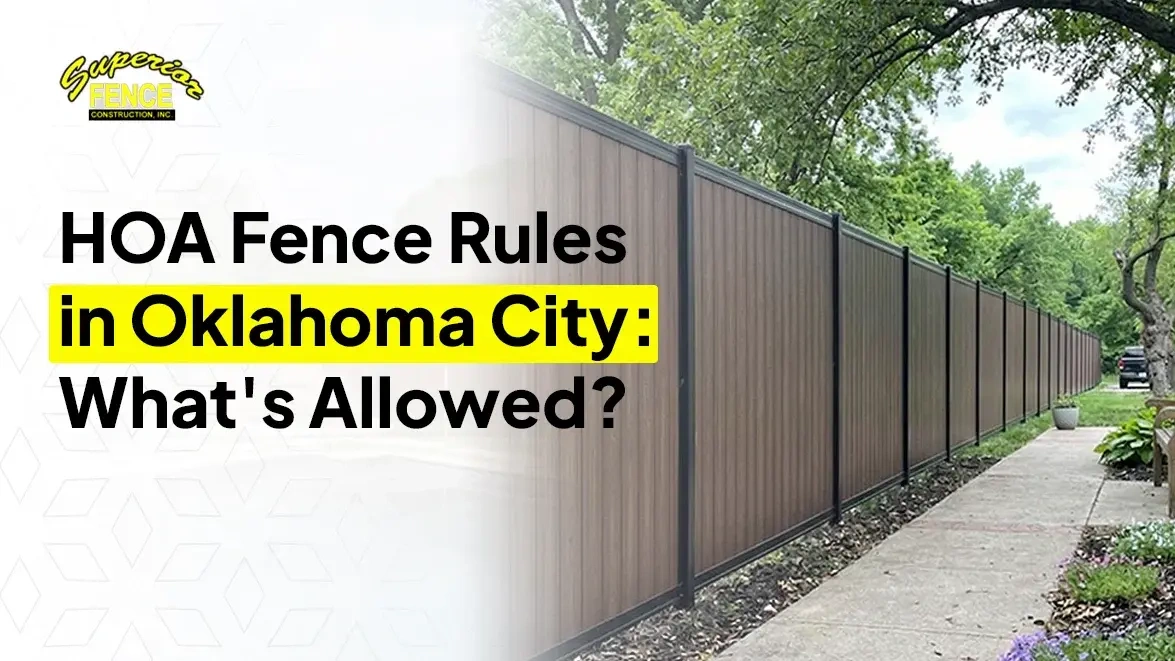
| Aesthetic Appeal | Composite fencing is available in colors and styles that replicate the appearance of authentic wood without the disadvantages. Plus, it doesn’t fade or warp. | Many homeowners appreciate the classic, natural beauty of wood. It is capable of being stained or painted in varying tones, allowing for customization. However, wood can fade and deteriorate with time. |
| Result: If you want a more natural look that you can customize, wood is a good option. However, if you want a more uniform, durable look, go for composite. | ||
| Environmental Impact | Many composite fences are made from recycled materials, which makes them environmentally friendly. They also have a smaller ecological footprint over time because they last longer and need no chemical treatments. | Wood fencing is biodegradable and comes from renewable resources, but deforestation and chemical treatment concerns make it less environmentally friendly than composite fencing. |
| Result: Composite fencing is a more sustainable material because it is made from recycled materials and has a long lifespan. | ||
| Installation Process | Composite fencing generally comes in preassembled panels or interlocking boards, which simplifies and speeds up the installation process. However, due to its heavier weight than wood, installation may require specialized tools and professional help. | Wood fencing requires individual boards to be installed, which can take some time. This also requires post-hole digging and setting, which increases the labor work. |
| Result: Composite fencing is easier to install because its components come preassembled, but it is best to have it professionally installed. | ||
| Resale Value | Composite fencing can add to a property’s resale value as it is durable and requires little maintenance. Buyers tend to like long-term savings and low maintenance. | Wood fencing improves curb appeal and ultimately increases the value of the home; however, one of the main concerns for buyers can be the constant maintenance required. |
| Result: Composite fencing often appeals to buyers due to its durability and low maintenance, which can support resale value. | ||
Which One Is Better?
Whether you prefer composite or wood fencing comes down to these factors:
- Consider composite fencing for a long-lasting, low-maintenance, environmentally friendly option with higher upfront costs.
- Wood fencing is a good choice if you want a classic, natural appearance and are ready to spend the time and energy to maintain it. It has a lower initial price and allows customization.
Conclusion
If chosen correctly, a fence increases the property value, security, and curb appeal. Composite fencing is particularly durable, low maintenance, and provides long-term cost savings. Wood fences, however, offer a classic appearance and lower upfront costs but require regular maintenance. Weather resistance, ease of installation, and environmental impact are other factors that also weigh in the decision to build composite vs. wood fences. Composite fencing may be a better option for homeowners who care more about easy maintenance and longevity, while wood may be the better choice for those who want to customize. Doing your research helps ensure you make the decision that’s best for your home and your budget. For professional advice and high-quality installations, reach out to experienced fence installation contractors like Superior Fence who can help you find the right fit for your property.