You see fences everywhere, in yards, schools, and job sites, but most of us don’t think about how they actually do their job. They mark space without a scene, guide people, keep pets in, and sometimes make a place visually appealing. Fencing plays an important role in setting boundaries, enhancing privacy, and ensuring the safety of your property.
A fence works by setting a boundary you can’t cross, using posts for support, and panels or mesh to fill the gap. Height and material decide how strong or private it is. That’s the whole idea behind how fencing works. Many other factors contribute to the working of the fence, like footings, anchors, and gate systems.
Table of Contents
ToggleBasic Principle of How Fences Work
In simple terms, fences set limits. They stop, signal, or make a suggestion. These are some common fencing principles for drawing lines for fencing.
Physical Barrier
- Built to block movement.
- Strength, height, and tight spacing do most of the work.
- Common for pools, kids, pets, and security lines.
Visual Boundary
- Shows where the property starts and ends.
- Doesn’t have to be tall; it just has to be obvious.
- Useful along driveways, paths, or shared edges.
Symbolic Division
- More about the message than the muscle.
- Low garden edging, short pickets, or short metal runs.
- Great for organizing space without “closing it off.”
How a Fence Structure Works
Every fence relies on a structure that keeps it straight and steady. These are some ways that help in keeping the fence intact:
Fence Posts
- Posts carry the load and take wind hits.
- Wood, steel, aluminum, and even reinforced vinyl can work.
- If posts wobble, the fence leans, and everything else suffers.
Rails and Panels
- Rails run between posts.
- The face, pickets, boards, mesh, or prefab panels attach to those rails.
- Solid faces enhance privacy; spaced faces maintain open sightlines.
Footings and Anchors
- Posts set in soil require a firm foundation.
- Concrete footings prevent shifting; however, sandy or rocky ground may require deeper holes or screw-in anchors to ensure stability and proper support.
- Skimp here and you’ll fight sag and tilt later.
Gate Systems
- Gates stresses the setup more than any other piece.
- They need strong hinges, a latch that lines up, and a beefier post.
- A dragging gate usually means the post has moved or the hinges have loosened.
Fence Height
- Low looks friendly; mid-height gives privacy; tall helps with security or pets that jump.
- Cities often set height limits, especially for front yards.
Material Strength
- Metal resists bending; vinyl shrugs off water and doesn’t rot; wood feels warm but needs care.
- The right choice depends on wind, weather, and the amount of maintenance you’ll perform.
How Different Fence Types Work
Not all types of fences function in the same way; each type has distinct functions and features.
Wood Fences
Wood is versatile, easy to shape, and repair. It can provide solid privacy with tightly placed boards or a classic aesthetic with spaced pickets. It expands, shrinks, and ages, so sealing and occasional fixes keep it straight. Done right, it feels natural and solid.
Vinyl Fences
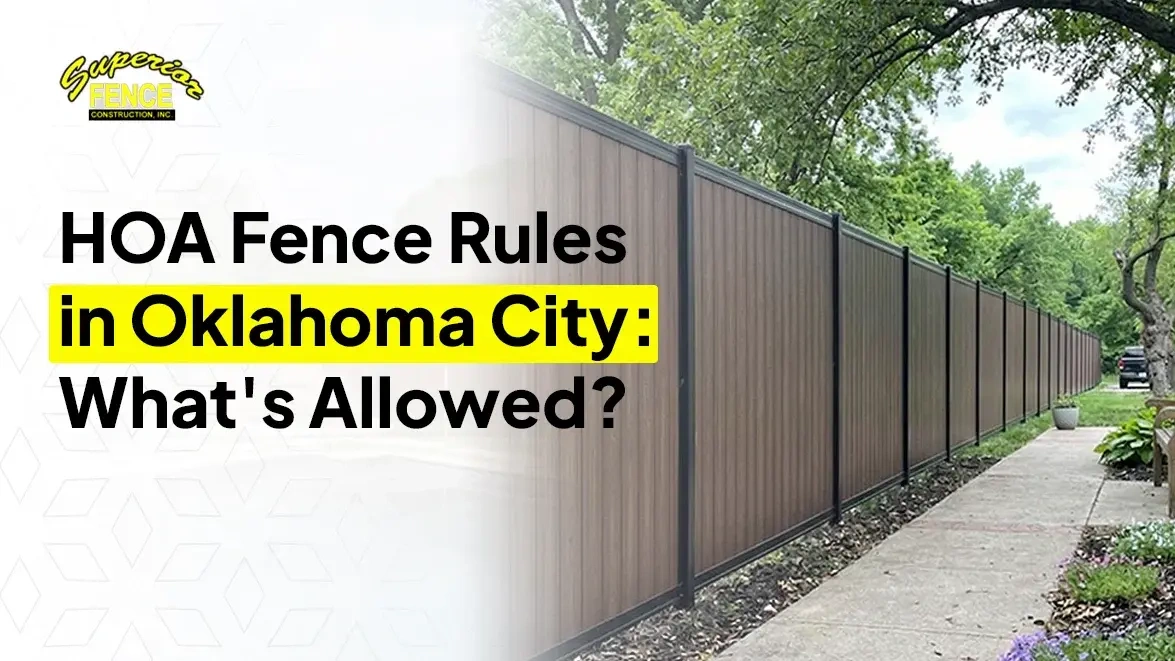
Vinyl stays tidy with soap and water. The pieces lock together on rails, so panels line up and stay in place. It won’t rot or peel, and color runs through the material, which keeps scuffs less noticeable. If you’re looking for low maintenance, this is a winner.
Chain-Link Fences
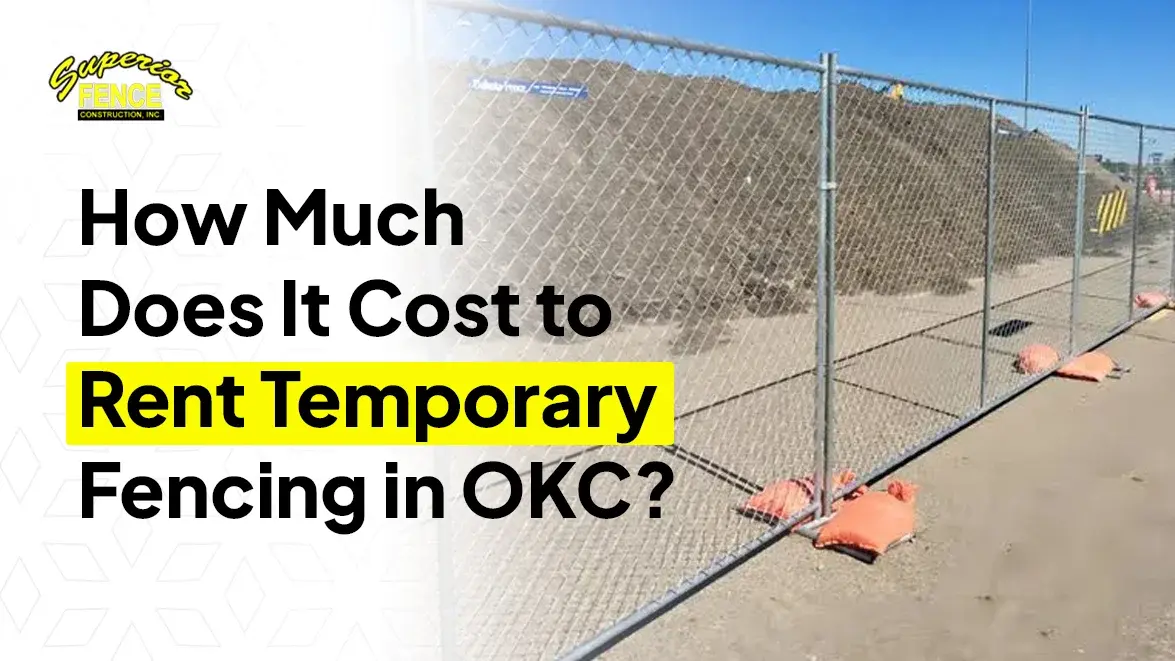
Sturdy and see-through. The woven mesh spreads force across posts and the top rail, so it’s tough for the price. Not for privacy, unless you add slats. Great for pets, play areas, and big perimeters where you want sightlines.
Metal/Steel Fences
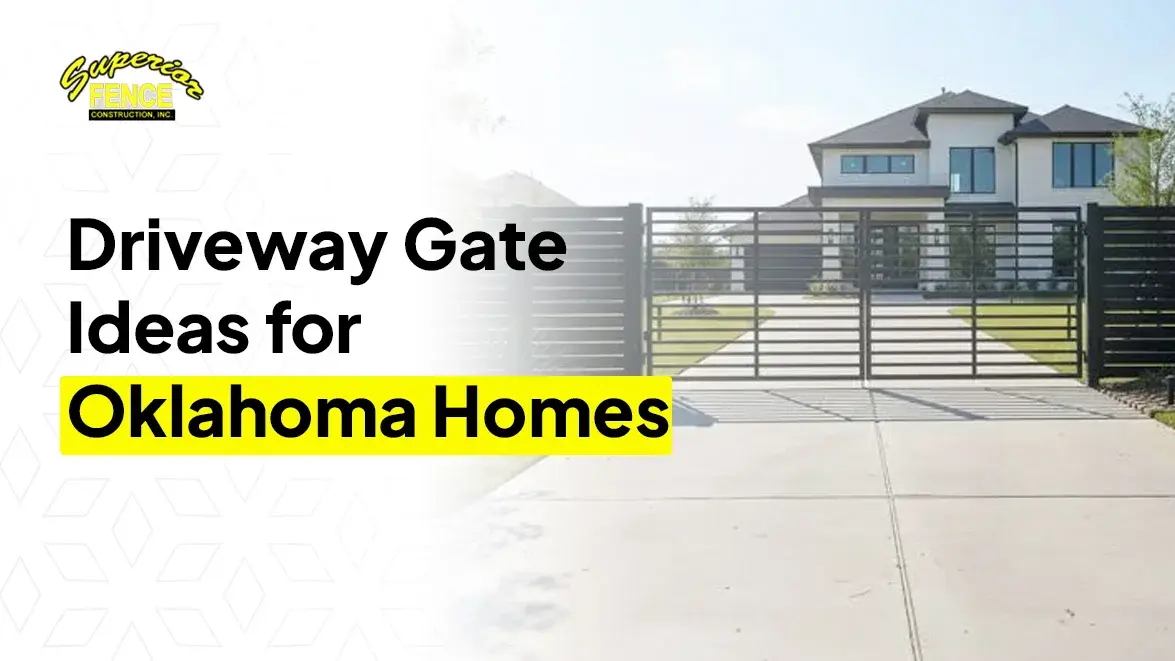
Think slim verticals with open space. Strong, neat, and pool-friendly when built to code. Powder coating helps fight rust. You get security without a wall, which keeps front yards and public edges feeling open.
Composite Fences
Composite blends wood fibers with plastic, so it looks like wood but handles rain and sun better. Panels are heavier, so posts must be stout and set well. If you want the wood look without frequent staining, this fits.
Privacy Panels
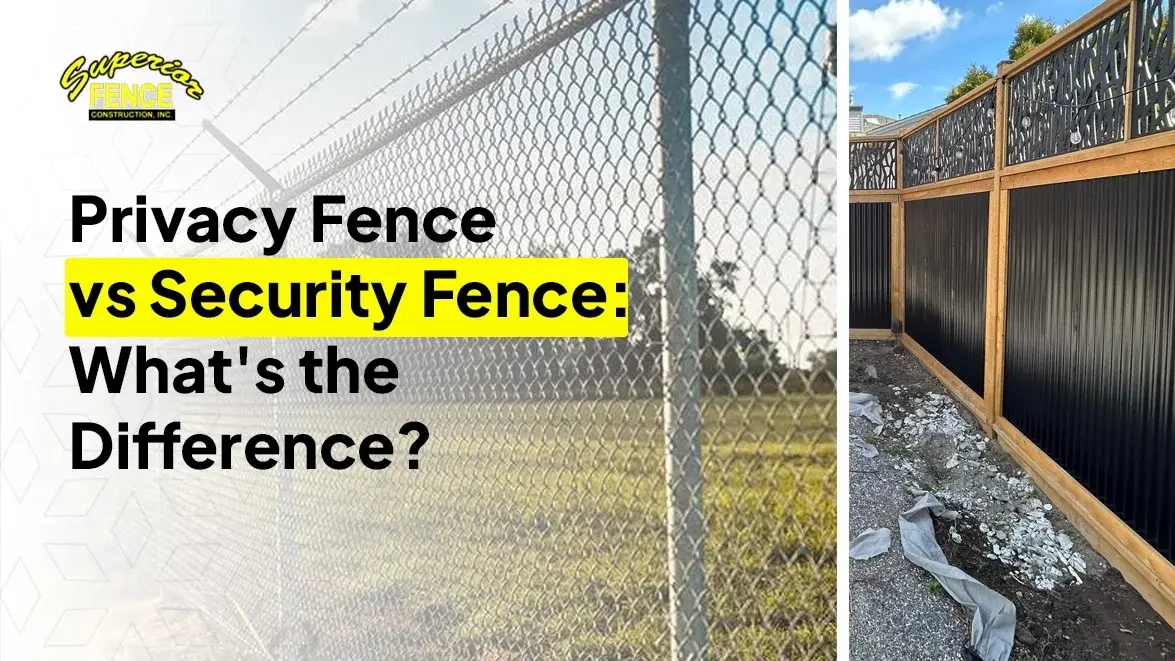
Any material can do it, wood, vinyl, composite, so long as there are no gaps. Taller sections and tight joints block sight and soften noise. Ideal for patios, hot tubs, or side yards where houses are situated closely together.
Conclusion
A fence may seem simple, but each part plays a specific role in controlling space, adding security, and shaping the overall feel of a property. With posts holding everything up, panels defining the boundary, and materials determining strength, every fence works through a careful mix of structure and purpose.
Whether you choose wood, metal, vinyl, or composite, the design always focuses on the same principle: creating a strong, reliable barrier that suits your needs. That’s the full picture of the working of fencing.
If you need professional and reliable fencing work, you can reach out to experienced fencing company like Superior Fence for excellent quality fencing.