Fencing is vital in property management, offering security, privacy, and decorative value. Two popular options are aluminum and chain link fences, each serving different purposes based on budget, aesthetics, and functionality. Aluminum fences are beautiful and strong, suitable for homes and ornamental purposes. Meanwhile, chain link fences are economical, secure, and applicable to industrial, large-scale, or high-traffic places. Nevertheless, they look utilitarian and might need to be treated for rust occasionally throughout their lifespan.
Table of Contents
ToggleWhat is an Aluminum Fence?
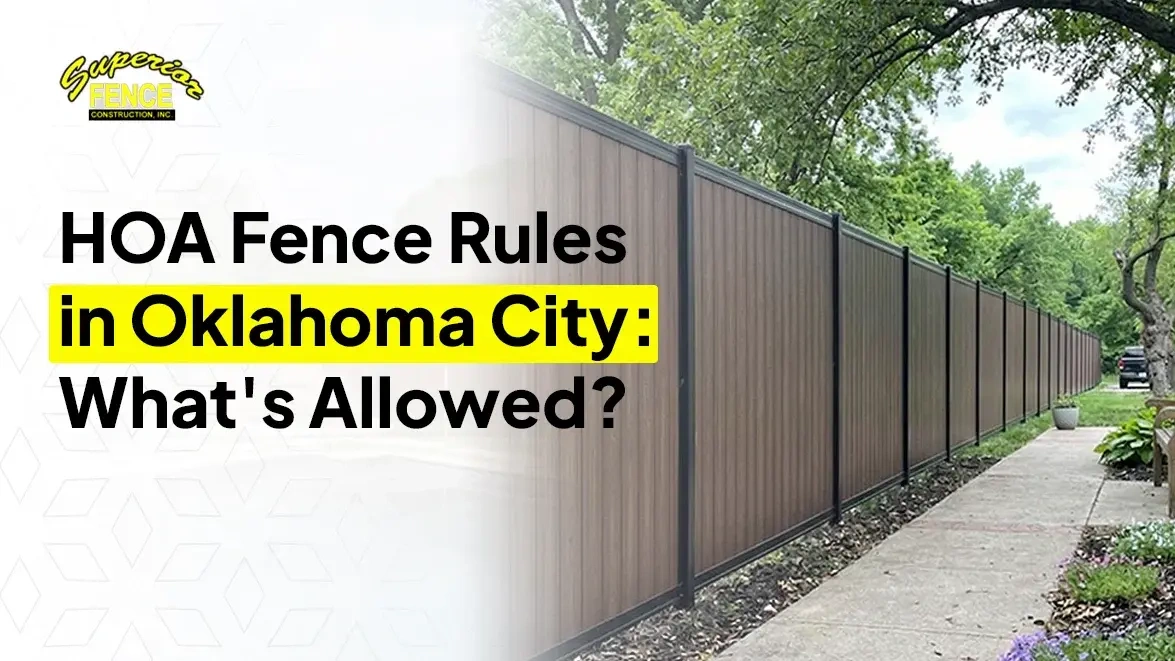
Aluminum fences are made from lightweight, powder-coated, and rust-resistant aluminum. They offer elegant appearance and flexibility to bring the look of ornate wrought iron without the weight or high maintenance. Common uses include:
- Residential yards
- Pool enclosures
- Commercial properties
- Decorative boundaries
What is a Chain Link Fence?
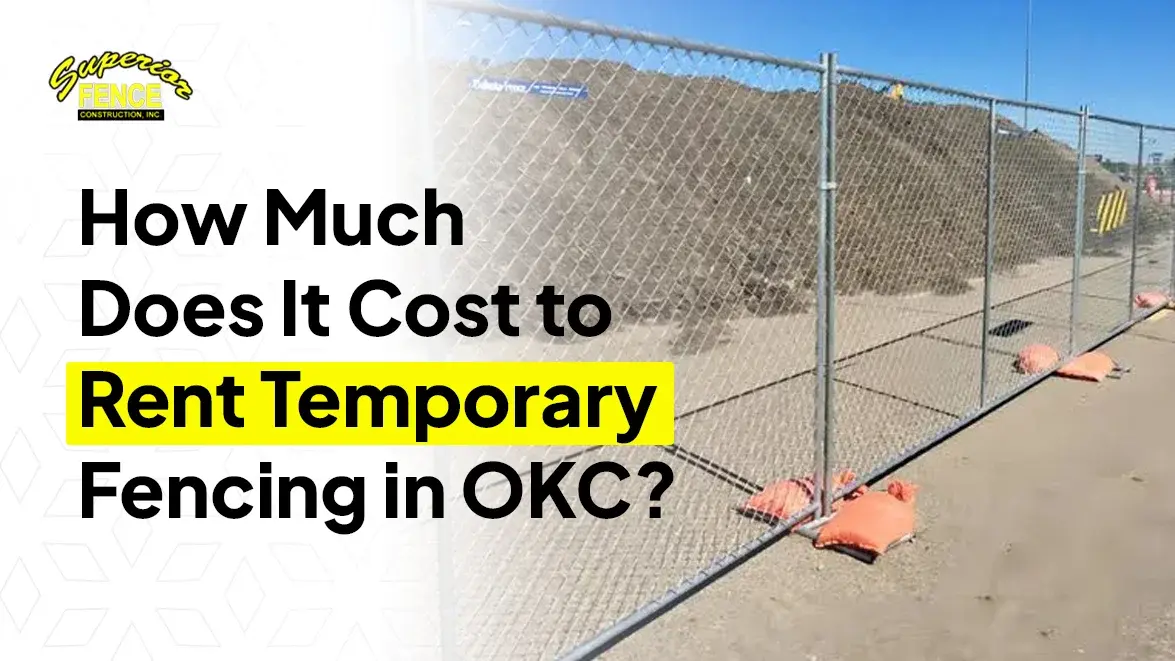
Also known as cyclone or wire-mesh fences, chain link fences are made from galvanized or vinyl-coated steel wire arranged in a diamond pattern. They’re popular for their affordability, visibility, and strength, especially in high-traffic or security-focused areas. Chain link fences are used for:
- Schools and playgrounds
- Sports fields
- Pet enclosures
- Industrial properties
Choosing Between Aluminum and Chain-Link Fences
Here’s a quick comparison to help decide between aluminum and chain link fences:
| Feature | Aluminum Fence | Chain Link Fence |
| Material | Powder-coated aluminum | Galvanized or vinyl-coated steel wire |
| Appearance | Sleek, modern, elegant | Functional, basic, see-through |
| Durability | High (resistant to rust and corrosion) | High (may rust if not coated) |
| Maintenance | Low maintenance | Low maintenance (but may need care against rusting) |
| Cost | Higher upfront cost | Lower cost, budget-friendly |
| Security | Moderate security | High security, especially with barbed wire |
| Privacy | Low (open design) | Low to moderate (with slats or screens) |
| Lifespan | 20–50 years | 20–30 years |
| Installation | More complex | Easier and faster |
| Aesthetic Appeal | High | Low to moderate |
| Ideal Use | Residential, pools, decorative | Schools, pets, commercial |
Material Differences
- Aluminum fences are naturally rust-resistant due to their powder-coated finish, making them ideal for coastal or humid environments.
- Chain link fences, made of galvanized or vinyl-coated steel, are also durable but can rust if their protective coating wears off.
Appearance and Style
- Aluminum fencing offers high aesthetic appeal, which is ideal for properties where curb appeal matters.
- Chain link fences look more utilitarian but can be improved with privacy slats, vinyl coatings, or decorative vines.
Durability and Maintenance
- Both fences are durable, but aluminum is more rust-resistant. It requires minimal maintenance beyond occasional cleaning.
- Chain link fences are strong but may require rust treatment or part replacement if their coating deteriorates over time.
Cost Comparison
Initial cost
- Aluminum fences are more expensive initially because of the material and installation complexity.
- However, a chain link fence service offers a more affordable and practical alternative when cost is a key.
Long-term cost
- Aluminum fences are more durable, with less upkeep and more value in the long term.
- Chain link fences are affordable upfront but may require more frequent repairs or eventual replacement.
Security & Privacy
- Aluminum fences provide moderate security and are more suited for boundary marking with a decorative appeal rather than strong deterrence.
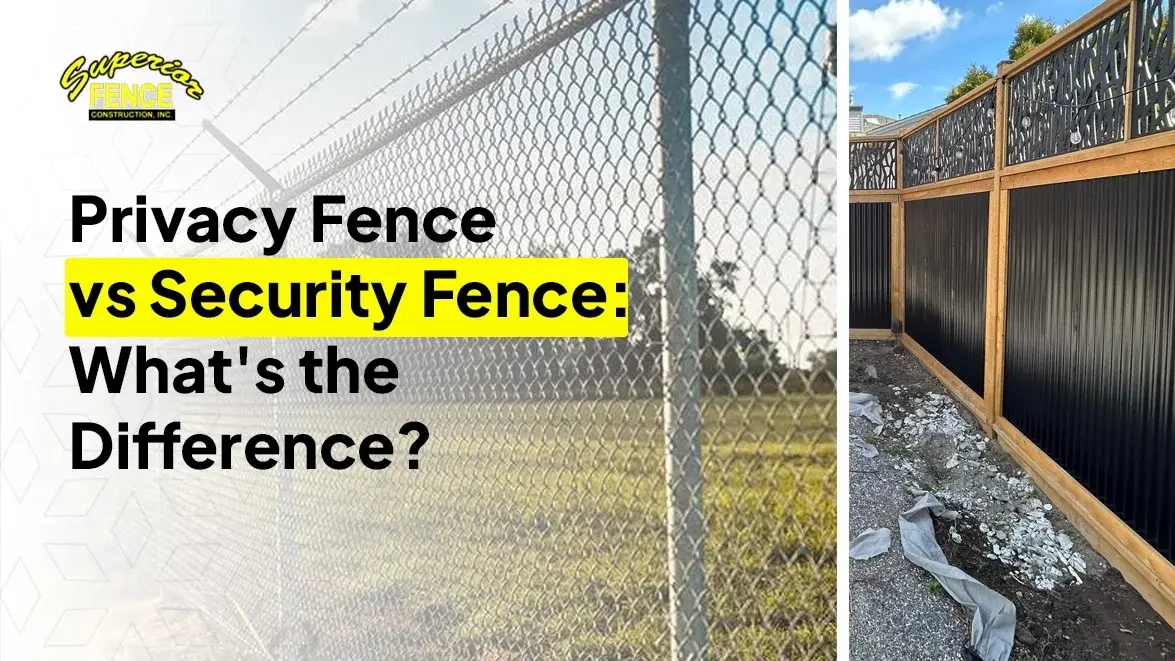
- Chain link fences are ideal for security, especially in industrial or commercial environments. They can be enhanced with barbed wire or slats for added protection.
Longevity and Value
- Aluminum fences can last 30–50 years with minimal upkeep, especially when cleaned regularly and protected from physical damage.
- Chain link fences usually last between 20 and 30 years, and they require maintenance and exposure to the elements. They offer strong value, particularly for temporary or high-traffic applications.
Environmental Impact
- Aluminum fences are recyclable and resist corrosion, but their manufacturing can be more energy-intensive.
- Chain link fences, typically made from galvanized steel, also offer recyclability and are often chosen for larger-scale or environmentally practical applications.
Best Settings for Each Fence
- Aluminum fencing is well-suited for residential buildings, ornamental barriers, lawn enclosures, pool fences, and regions with aesthetic concerns. Its elegant appearance complements landscaping and increases its appeal.
- Chain-link fencing suits industrial properties, sporting venues, security access, pet restraint needs, and large-area containment. Due to its budget-friendly nature, chain link is mostly used in critical security or large-span applications.
What Are the Ideal Situations for Choosing an Aluminum Fence?
- Curb appeal and property value matter.
- Minimal maintenance is preferred.
- Your property is near the coast or in humid areas.
- You’re enclosing a pool, garden, or decorative area.
- You want a long-lasting fence with an upgraded look.
How Do You Know When to Choose a Chain Link Fence?
- You’re fencing a large or industrial area.
- Budget is the top priority.
- A quick and easy installation is needed.
- Security is a key concern.
- You need a temporary or semi-permanent solution.
Conclusion
Whether to go with aluminum or chain link fences depends on your priorities. Aluminum fences provide aesthetic appeal, longevity, and minimal maintenance, which makes them great for homes and commercial properties. Meanwhile, chain link fences are affordable, secure, easy to install, and suitable for industrial, large-scale, or high-traffic areas. Consider your budget, security needs, environmental factors, and desired appearance to select the best fencing option. Contact professionals like Superior Fence a fence company okc today for a customized quote for both fences.